UV Pool Combined Chlorine: How UV Helps With Chloramines Without Skipping Shock
| July 6, 2026
Combined chlorine is one of the best clues that a pool is asking for attention. In a UV pool, the sanitizer chamber can help break down certain chloramine byproducts as water passes the lamp, but it does not erase the need to test, oxidize, and maintain a proper free chlorine residual in the pool.
If the water smells sharp, swimmers complain about irritation, or the test kit shows combined chlorine above the normal trace range, treat it as a full system check. Look at free chlorine, pH, bather load, filter pressure, pump runtime, UV lamp hours, and whether the pool needs a properly calculated shock dose.
Affiliate disclosure: As an Amazon Associate, UV Pool Filter may earn from qualifying purchases through links on this page.
What combined chlorine means
Free chlorine is the active sanitizer available to protect the pool. Combined chlorine forms after chlorine reacts with sweat, urine, sunscreen residue, leaves, and other organic material. A small trace can happen, but a rising number means the pool is carrying more waste than the current sanitation plan is clearing.
UV systems are useful because the lamp chamber exposes circulating water to ultraviolet light. That exposure can help reduce chloramine compounds and support clearer, more comfortable water. The catch is simple: only water that passes through the chamber gets that treatment, while the whole pool still depends on balanced chemistry between passes.
Calculate shock and balance changes before dosing
Pool Chemical Calculator helps turn current test results into practical chemical amounts for your pool volume. Use fresh readings for free chlorine, combined chlorine, pH, alkalinity, stabilizer, and gallons before making a correction.
Download Pool Chemical Calculator for iPhone/iPad
Download Pool Chemical Calculator for Android
Use the pool calculator website
Where UV helps with chloramines
A clean, properly flowing UV chamber can reduce some chloramine irritation because water receives high-intensity light exposure inside the unit. This is one reason UV is popular for indoor pools, heavily used residential pools, and owners who want extra support beyond chlorine alone.
For that support to matter, the equipment side has to be healthy. Confirm the lamp is within its rated service life, the quartz sleeve is clean, the ballast is operating normally, and the pump speed satisfies the flow switch. A UV unit with a tired lamp or dirty sleeve can look installed but contribute much less than expected.

Why shock still matters
UV is support, not a replacement for oxidation when combined chlorine is already high. If testing confirms a problem, bring pH into a reasonable range, calculate the correct shock dose for the pool volume and stabilizer level, circulate thoroughly, and retest before reopening the pool.
- Test first: Do not shock by habit. Confirm free chlorine, combined chlorine, pH, CYA, and water clarity.
- Fix pH before shocking: Very high pH can make chlorine less effective and slow the cleanup.
- Run the pump: Circulation moves treated water through the filter and UV chamber.
- Clean the filter if needed: A dirty filter can keep organics in the loop and make combined chlorine return quickly.
How to keep combined chlorine from returning
Most recurring combined chlorine problems come from demand that is higher than the routine can handle. Heavy swimming, low free chlorine targets, short pump schedules, poor skimming, and delayed filter cleaning all raise the load. UV helps most when those basics are already consistent.
Build a weekly habit around testing and equipment checks. Keep free chlorine matched to stabilizer, brush low-flow areas, empty baskets, verify the UV indicator, and track lamp replacement dates. If combined chlorine keeps returning after proper shocking, look for hidden debris, undersized circulation, or a filter that needs a deeper clean.
Recommended pool maintenance supplies
As an Amazon Associate, UV Pool Filter earns from qualifying purchases.
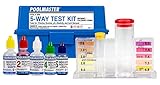
UV helps supplemental sanitation, but chlorine, pH, and alkalinity still need testing.
View on Amazon
A clean cartridge helps protect flow through UV equipment and clears cloudy water faster.
View on Amazon
Keeps leaves and debris from starving the pump, filter, and UV chamber for water.
View on AmazonFAQ
Does UV remove combined chlorine from pool water?
UV can help reduce certain chloramine compounds as water passes through the chamber, but it does not instantly treat the entire pool. Testing and proper chlorine management are still required.
When should I shock a UV pool for combined chlorine?
Shock when reliable testing shows combined chlorine above the acceptable trace range, especially if the water smells harsh, looks dull, or follows heavy swimmer use. Balance pH and calculate the dose first.
Can a dirty UV sleeve cause chloramine problems?
A dirty quartz sleeve can reduce UV exposure inside the chamber. It may not be the only cause, but it can make the UV system less helpful when the pool is dealing with combined chlorine.
Do I still need free chlorine if my pool has UV?
Yes. UV treats water inside the equipment, but the pool still needs a free chlorine residual to sanitize surfaces and water between trips through the chamber.