UV Pool Filter Drain Plug Check: Confirm the Seal Before Restarting
| November 11, 2026
Disclosure: This article contains affiliate links. As an Amazon Associate, UV Pool Filter may earn from qualifying purchases.
A small drip at a UV pool filter drain plug can become a bigger startup problem if the plug, seal, or threads are disturbed without following the equipment manual. Before the pump runs again, inspect the drain-plug area and confirm that the part is suited to your exact chamber. This check helps you spot a visible problem; it does not replace pressure-safe service.
Drain plugs and seals vary by manufacturer and model. The Pentair BioShield UV System Installation and User’s Guide contains model-specific installation, maintenance, and safety instructions. Use your own manual for the permitted shutdown, drain, seal, and restart procedure. Do not infer a tightening torque, pressure limit, or replacement interval from another system.
Shop pool drain-plug seal and O-ring supplies on Amazon. Match the part to the installed UV system and follow the seal material and lubricant guidance in its manual.
Why a drain-plug check matters
A drain plug may sit at the lowest point of a UV chamber, where a damaged seal, cross-threaded plug, trapped debris, or loose connection can leak when circulation starts. Water around the plug does not identify the cause. It can also run along the housing and make the leak appear to be somewhere else.
Look for a fresh bead, mineral track, dampness, cracked plastic, damaged threads, or a seal that has moved out of its groove. Do not treat a dry exterior as proof that the plug is correctly installed if the chamber has not been operated under its normal conditions.
Shut down and relieve pressure first
Before touching the plug, stop the pump through the normal control and follow the manual’s isolation and pressure-release steps. A pump stopping does not automatically prove that the chamber is depressurized. Keep hands and face away from fittings while pressure may remain.
Do not loosen a drain plug on a running system, and do not open the UV housing or controller enclosure during this visual check. If you cannot confirm isolation and pressure release, stop and call qualified pool-equipment service.
Inspect the plug without forcing it
With the equipment safely isolated, wipe the outside of the plug and nearby housing with a clean cloth so you can see the condition of the joint. Check whether the plug sits squarely, whether the surrounding plastic is cracked, and whether the seal is visible where the manual says it should be. Use a light for visibility, not heat or an improvised tool.
Never force a plug that feels seized, spins without tightening, or begins to damage the threads. Do not substitute tape, putty, a random washer, or a different O-ring because it seems to fit. A seal can look similar while having the wrong size or material for the system.
Replace a seal only when the manual permits it
If the manual identifies an owner-serviceable drain-plug seal, compare the replacement with the removed part before installation. Look for cuts, flattening, brittleness, swelling, and embedded grit. Clean only as the manufacturer directs, and use only an approved lubricant if one is specified.
Do not guess at tightening force. Stop if the plug threads do not engage smoothly, the seal will not stay in its groove, the housing is damaged, or the manual reserves the task for trained personnel. A qualified technician can identify the correct part and repair damaged threads without turning a small leak into a housing failure.
Restart gradually and watch the joint
After a permitted inspection or replacement, restore valves and controls to the documented operating arrangement. Start the circulation system according to the manual and remain nearby while the drain-plug area is visible. Check for a new drip, spray, air entering the line, an abnormal pump sound, or a flow warning.
Turn the system off and follow the safe shutdown procedure if water reaches electrical equipment, the leak grows, the pump loses prime, or the flow indication becomes abnormal. Never bypass a flow switch, alarm, interlock, or low-flow shutdown to keep the UV lamp running.
For pool-water testing and chemical calculations, use the Pool Chemical Calculator website, the iPhone app, or the Android app. Base chemical changes on measured water and product labels, not on a drain-plug leak or UV warning alone.

When to stop and call for service
Get qualified help if the plug is cracked, the threads are damaged, the seal keeps leaking, the housing cannot be depressurized, water reaches electrical parts, a breaker or GFCI trips, or your manual limits drain-plug service to trained personnel. Keep swimmers away from a pool with unsafe water or damaged equipment until the condition is resolved.
Safety note: This is pool-care information, not medical advice, electrical instruction, or a substitute for code-compliant service. Follow the equipment manual, product labels, local electrical code, and manufacturer restrictions. Do not change pressure limits, flow limits, wiring, or safety devices based on this article.
Recommended pool maintenance supplies
As an Amazon Associate, UV Pool Filter earns from qualifying purchases.

A clean cartridge helps protect flow through UV equipment and clears cloudy water faster.
View on Amazon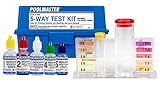
UV helps supplemental sanitation, but chlorine, pH, and alkalinity still need testing.
View on Amazon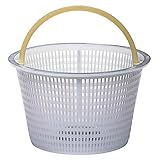
Keeps leaves and debris from starving the pump, filter, and UV chamber for water.
View on AmazonFAQ
Can I tighten a leaking UV filter drain plug while the pump is running?
No. Stop the system and follow the manual’s isolation and pressure-release instructions before touching the plug. If you cannot verify that the chamber is safe to open, use qualified service.
Can I use any pool-filter O-ring as a replacement?
No. Use a seal identified for your exact UV system and follow its material and lubricant instructions. Similar-looking O-rings can differ in size, material, and fit.
What if the drain plug threads feel rough?
Stop rather than forcing the plug. Rough or misaligned threads can damage the housing or prevent a safe seal, so the part should be checked against the manual or by a qualified technician.
How can I tell whether the leak is from the drain plug?
With the system safely off, dry the area and observe where fresh moisture first appears during a permitted restart. Water can travel along the housing, so persistent or unclear leaks need qualified diagnosis.