UV Pool Vacuum Hose Air Leak Test: Keep Suction Strong Before Debris Circulates
| September 10, 2026
Disclosure: As an Amazon Associate, UV Pool Filter may earn from qualifying purchases through links that use the pooluv1-20 affiliate tag.
A vacuum hose that pulls air does more than make the cleaner stumble. In a UV pool, tiny suction-side leaks can reduce flow through the filter and UV chamber, leave fine debris suspended, and make sanitizer demand look worse than it really is.
Before replacing a cleaner head or blaming the UV lamp, test the hose under real operating conditions. After the circulation problem is corrected, use the Pool Chemical Calculator, iPhone app, or Android app to dose chlorine, pH, alkalinity, calcium hardness, and stabilizer from measured water results.
When a vacuum hose air leak test matters
- The pump basket shows steady bubbles only when the manual vacuum or suction cleaner is attached.
- The cleaner loses grip, climbs poorly, or stops after a few minutes of runtime.
- Debris returns to the pool even though the filter pressure looks normal.
- Skimmer suction drops after the hose sections are connected.
- Chemistry keeps drifting because circulation is weaker than the schedule assumes.

How to test the hose without guessing
Prime the hose completely under water, connect it to the skimmer or vacuum plate, and watch the pump basket. A few startup bubbles can be normal, but a constant stream usually points to a cracked cuff, loose swivel, split hose section, or a fitting that is letting air enter before the pump.
Move one hose section at a time while the system runs. If bubbles surge when a certain cuff bends, mark that section and remove it from service. Check that the skimmer basket is seated, the vacuum plate gasket is clean, and the water level is high enough to prevent vortexing at the skimmer mouth.
Why UV pool owners should care
UV sanitation depends on water actually moving through the chamber. Air in the suction line can lower flow, reduce cleaner performance, and leave organics in the pool longer. That extra load has to be handled by filtration and sanitizer before UV can help with anything passing the lamp.
Once the hose is sealed, brush the pool, run the filter long enough to clear suspended debris, then retest chemistry. Correct the water based on test results rather than adding shock just because the pool looked dirty during a circulation problem.
Recommended pool maintenance supplies
As an Amazon Associate, UV Pool Filter earns from qualifying purchases.
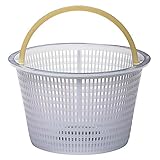
Keeps leaves and debris from starving the pump, filter, and UV chamber for water.
View on Amazon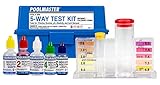
UV helps supplemental sanitation, but chlorine, pH, and alkalinity still need testing.
View on Amazon
A clean cartridge helps protect flow through UV equipment and clears cloudy water faster.
View on AmazonFrequently Asked Questions
Can a pool vacuum hose cause air in the pump basket?
Yes. A cracked hose, loose cuff, or poor vacuum plate seal can pull air into the suction side whenever the vacuum is connected.
Does a vacuum hose leak affect UV pool sanitation?
It can. Air leaks reduce circulation and may lower flow through the UV chamber, which makes filtration and sanitizer residuals work harder.
Should I replace the whole vacuum hose?
Not always. Test each section first. Replacing one cracked section or worn cuff is often enough if the remaining hose holds prime.