UV Pool Vacuuming: Protect Filter Flow and Water Clarity During Cleanup
| July 17, 2026
Vacuuming is one of the fastest ways to remove visible debris from a pool, but it can also expose weak circulation, dirty filters, and valve settings that are already on the edge. In a UV pool, that matters because the UV chamber only helps the water that keeps moving through it at a steady rate.
When vacuuming sends fine debris into the filter or briefly changes suction at the skimmer, water can cloud up before it gets better. A clean prep routine keeps the pump primed, protects filter flow, and helps the UV system support clarity after the cleanup is finished.
Affiliate disclosure: As an Amazon Associate, UV Pool Filter may earn from qualifying purchases through links on this page.
Start with flow before you vacuum
Before connecting a manual vacuum or starting an automatic cleaner, check the water level, empty the skimmer basket, empty the pump basket, and note the clean filter pressure. These quick checks tell you whether the system has enough margin to handle extra debris without starving the pump.
If the pump already has air bubbles, weak returns, or pressure that is well above the clean baseline, fix that first. Vacuuming through a struggling system can make cloudy water worse and reduce how consistently water passes through the UV unit.
Use Pool Chemical Calculator after cleanup
Vacuuming removes debris, but it does not balance sanitizer or pH. After the pool has circulated, test the water and use Pool Chemical Calculator to turn your readings into practical dosing amounts for chlorine, pH, alkalinity, stabilizer, calcium hardness, and shock planning.
Download Pool Chemical Calculator for iPhone/iPad
Download Pool Chemical Calculator for Android
Use the Pool Chemical Calculator website
Manual vacuuming with a UV system
For a manual vacuum, fill the hose with water before connecting it so the pump does not pull a large pocket of air. Keep the vacuum head flat on the floor and move slowly enough that sediment is lifted into the vacuum instead of being stirred into suspension.
If your plumbing allows vacuuming through the skimmer, keep an eye on pump basket turbulence and return strength. If flow drops sharply, stop and clear the basket or filter. UV performance depends on steady circulation, so a slower pass with stable flow is better than rushing the job while the pump struggles.
When to vacuum to waste
Vacuuming to waste can be helpful after heavy algae cleanup, storm debris, or a layer of fine sediment that would quickly clog the filter. The tradeoff is water loss, so watch the water level closely and refill as needed before air reaches the skimmer.
If you vacuum to waste, retest chemistry afterward. Fresh fill water can shift pH, alkalinity, calcium hardness, and stabilizer. UV can support clarity, but it does not replace the sanitizer and balance work after a partial drain-and-refill event.
Filter care after vacuuming
Once the pool is vacuumed, let the system circulate and compare filter pressure to the clean baseline. A sand or DE filter may need backwashing, while a cartridge filter may need cleaning if pressure stays high or return flow remains weak.

Fine debris can keep moving through the pool for several hours after vacuuming. Keep the pump running long enough to finish filtering the water, and avoid assuming the UV lamp is the problem until filter pressure, sanitizer, pH, and circulation have been checked.
Automatic cleaners and UV clarity
Robotic cleaners remove debris without sending everything through the pool filter, which can be useful when filter pressure rises quickly. Suction-side cleaners depend more heavily on plumbing flow, so they should be checked for hose leaks, clogged throats, and baskets that fill faster than expected.
Pressure-side cleaners can help move larger debris, but they still leave the water chemistry and fine-particle filtration work to the pool system. Whichever cleaner you use, the goal is the same: remove debris while keeping enough circulation for filtration and UV exposure.
Recommended pool maintenance supplies
As an Amazon Associate, UV Pool Filter earns from qualifying purchases.
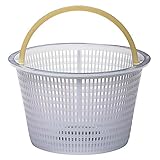
Keeps leaves and debris from starving the pump, filter, and UV chamber for water.
View on Amazon
A clean cartridge helps protect flow through UV equipment and clears cloudy water faster.
View on Amazon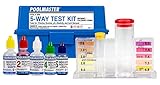
UV helps supplemental sanitation, but chlorine, pH, and alkalinity still need testing.
View on AmazonFAQ
Should I run my UV pool system while vacuuming?
Yes, in most normal vacuuming situations the pump and UV system can run as water circulates, but stop if the pump loses prime, pulls air, or filter pressure climbs too high.
Does vacuuming replace shocking a cloudy pool?
No. Vacuuming removes debris from surfaces, while shocking or sanitizer adjustment handles chlorine demand and contaminants in the water.
Why does my UV pool look cloudy after vacuuming?
Fine sediment may have been stirred into suspension or pushed into a dirty filter. Check filter pressure, keep circulation running, and retest sanitizer and pH.
When should I clean the filter after vacuuming?
Clean or backwash when pressure rises above the normal clean baseline, return flow weakens, or the pool remains hazy after enough circulation time.