UV Pool After-Rain Recovery: Flow, Chemistry, and Filter Checks After Storms
| July 4, 2026
Heavy rain can make a UV pool look like the equipment suddenly stopped working, even when the lamp and chamber are fine. Storm water dilutes sanitizer, pushes debris into the pool, raises the load on the filter, and can knock pH and alkalinity out of the range where chlorine works efficiently.
The recovery plan is simple: restore circulation, clean the filter path, test the water, then let the UV system support the cleanup while chlorine and filtration handle the work that still has to happen in the pool itself.
Affiliate disclosure: As an Amazon Associate, UV Pool Filter may earn from qualifying purchases through links on this page.
Start with flow before adding products
After a storm, check the skimmer basket, pump basket, returns, valves, and filter pressure before you start pouring in chemicals. A UV chamber only treats the water moving through it. If leaves, pollen, or a clogged basket have cut flow, the UV unit cannot help much until circulation is restored.
- Empty baskets: Leaves and seed pods can choke flow faster than the filter gauge shows.
- Confirm pump prime: Air in the pump basket can reduce turnover and trigger UV flow switch issues.
- Check filter pressure: Compare the gauge to your clean baseline, not to a random number.
- Brush and skim: Move dirt and pollen into circulation so the filter can capture it.
Dose from fresh test results
Rain changes pool chemistry quickly. Pool Chemical Calculator helps turn current free chlorine, pH, alkalinity, stabilizer, and volume readings into practical dose targets instead of guessing after every storm.
Download Pool Chemical Calculator for iPhone/iPad
Download Pool Chemical Calculator for Android
Use the pool calculator website
Test the water after dilution
Rainfall can lower free chlorine, shift pH, dilute stabilizer slightly, and introduce organics that consume sanitizer. Test after the pump has circulated long enough to mix the water. If the pool is cloudy, do not assume the UV lamp is weak until sanitizer, pH, and filtration have been corrected.
Free chlorine is still the first line of defense in the pool water. UV can help as water passes through the chamber, but it does not leave a residual behind on steps, benches, ladders, lights, or the shallow end where algae often starts.
Use UV as support during storm cleanup
Once circulation is strong, run the pump long enough to turn the water over and give the UV chamber repeated passes. Variable-speed pump owners should be careful here: very low speeds may save electricity but can also reduce skimming, filtration, and UV flow-switch reliability after a dirty storm.
If the water is dull or hazy, clean or backwash the filter when pressure rises from the clean baseline. A UV sanitizer cannot remove fine dirt, pollen, or dead algae. Those particles still need to be brushed loose, captured by the filter, vacuumed, or removed through normal cleaning.

When to inspect the UV unit itself
Most after-rain problems start with chemistry and debris, not the UV lamp. Still, inspect the unit if you see a warning light, a flow alarm, a tripped GFCI, or cloudy water that does not improve after sanitizer, pH, circulation, and filter cleaning are back under control.
Look for a dry electrical area, stable power, proper pump flow, and a clear quartz sleeve if the system is due for maintenance. Do not open an energized unit or bypass electrical safety devices. If water reached the ballast or control box, treat that as an electrical service issue.
Recommended pool maintenance supplies
As an Amazon Associate, UV Pool Filter earns from qualifying purchases.
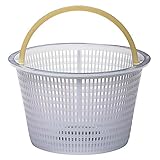
Keeps leaves and debris from starving the pump, filter, and UV chamber for water.
View on Amazon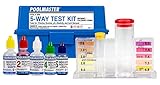
UV helps supplemental sanitation, but chlorine, pH, and alkalinity still need testing.
View on Amazon
A clean cartridge helps protect flow through UV equipment and clears cloudy water faster.
View on AmazonFAQ
Should I run my UV pool system longer after heavy rain?
Usually yes, if flow is strong and the filter is clean enough to move water properly. Longer circulation gives the UV chamber more passes, but it still needs chlorine and filtration working at the same time.
Can rain make a UV pool cloudy?
Rain can contribute to cloudy water by diluting sanitizer, adding debris, and changing chemistry. The UV system may still be working, but the pool also needs testing, brushing, filtration, and enough free chlorine.
Do I shock before or after checking the filter?
Check flow and filter pressure first. If circulation is poor, added chlorine will not distribute well and debris will keep consuming sanitizer. Restore circulation, then dose from test results.
Does UV replace chlorine after a storm?
No. UV treats water inside the chamber, while chlorine protects the pool water between equipment passes. After storms, maintaining the right free chlorine level is still essential.