UV Pool Phosphate Control: Why UV Helps Clarity but Does Not Remove Nutrients
| July 2, 2026
UV pool systems are great at helping with water clarity, but they are often blamed for a job they cannot do: removing phosphates and other nutrients from the water. A UV chamber treats water as it passes the lamp. It does not pull dissolved food sources, pollen, leaves, fertilizer, or bather waste out of the pool.
That distinction matters because a pool can have a working UV sanitizer and still develop algae pressure when nutrients, weak chlorine residual, high pH, or poor filtration are left alone. Use UV as one part of the system, not as a substitute for testing and cleanup.
Affiliate disclosure: As an Amazon Associate, UV Pool Filter may earn from qualifying purchases through links on this page.
What UV can and cannot do for pool water
A properly sized UV pool system exposes circulating water to ultraviolet light inside the chamber. That exposure can help reduce certain organisms and break down some combined chlorine byproducts, which is one reason many pool owners notice better-feeling water when the rest of the system is dialed in.
UV does not act like a filter basket, cartridge, sand bed, DE grid, phosphate remover, clarifier, or chlorine residual. It cannot remove nutrients that stay dissolved in the water. It also cannot protect water sitting in the pool between passes through the equipment pad. That is still the job of the sanitizer residual and balanced chemistry.
Test before you treat phosphates
Before adding specialty products, check free chlorine, pH, alkalinity, stabilizer, calcium hardness, and your filter pressure. Pool Chemical Calculator helps turn those readings into practical dosage targets.
Download Pool Chemical Calculator for iPhone/iPad
Download Pool Chemical Calculator for Android
Use the pool calculator website
Why algae can rebound even with UV installed
Algae problems usually come from a stack of small misses. Free chlorine slips below the level needed for the pool’s stabilizer, pH drifts high, brushing falls behind, the filter loads up, or organic debris sits long enough to feed growth. UV may treat water moving through the chamber, but it cannot scrub walls, vacuum debris, or maintain chlorine in every corner of the pool.
- Phosphates and nitrates: These nutrients can remain in solution until removed by water replacement, specialty removers, or normal dilution.
- Organic debris: Leaves, pollen, sunscreen, and dust consume sanitizer and can keep feeding cloudy water.
- Low circulation zones: Steps, corners, ladders, and behind lights may not see enough turnover if returns are aimed poorly.
- Dirty filters: A UV unit cannot compensate for a cartridge, sand filter, or DE grid that is overdue for cleaning.
When phosphate remover makes sense
Phosphate remover is not a magic fix for every cloudy pool. It makes the most sense when testing shows elevated phosphate levels and the basics are already under control: sanitizer is in range, pH is reasonable, filter pressure is understood, and visible debris has been removed.
If the pool is green or actively cloudy, prioritize sanitation, brushing, filtration, and circulation first. Then use phosphate treatment as a supporting step if test results justify it. Adding remover to a neglected pool can create more cloudiness because many products bind phosphates into particles that the filter must capture.

How to pair UV with nutrient control
The best routine is boring in the right way. Keep sanitizer matched to stabilizer, brush weekly, empty baskets, clean the filter when pressure rises from the clean baseline, and skim out debris before it breaks down. Then let the UV system do its part while the rest of the pool care routine handles the jobs UV was never built to handle.
For variable-speed pumps, confirm that low-speed schedules still move enough water through the UV chamber. Long low-speed runtime can be useful, but only if flow switches, filtration, skimming, and return circulation stay reliable.
Recommended pool maintenance supplies
As an Amazon Associate, UV Pool Filter earns from qualifying purchases.

A clean cartridge helps protect flow through UV equipment and clears cloudy water faster.
View on Amazon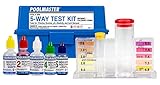
UV helps supplemental sanitation, but chlorine, pH, and alkalinity still need testing.
View on Amazon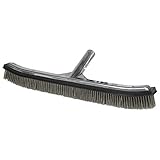
Brushing breaks up algae films and dead spots so sanitation and filtration work better.
View on AmazonFAQ
Does a UV pool system remove phosphates?
No. UV treats water with light as it passes through the chamber, but phosphates are dissolved nutrients. They need dilution, filtration after binding, or a phosphate remover designed for pool use.
Can high phosphates make a UV pool turn green?
High phosphates can support algae growth when sanitizer drops too low. The UV unit may still be working, but the pool also needs proper chlorine residual, brushing, filtration, and debris removal.
Should I use phosphate remover before fixing chlorine?
No. Bring sanitizer and pH under control first. Phosphate remover is a support product, not a replacement for killing active algae and filtering out the dead material.
Will UV reduce the amount of chlorine I need?
Some pools may feel better or show fewer combined chlorine issues with UV, but you still need a measured free chlorine residual in the pool water at all times.