UV Pool Air Relief Plug Check: Bleed Trapped Air Before Startup
| October 11, 2026
Disclosure: This article contains affiliate links. As an Amazon Associate, UV Pool Filter may earn from qualifying purchases.
A UV pool air relief plug check is a small startup habit with a big purpose: give trapped air a safe path out of the UV chamber before the system settles into normal circulation. Air pockets can make equipment noisier, slow water contact inside the vessel, and tempt people to start loosening the wrong fittings when something sounds off.
This is not a pressure test, electrical repair, or lamp-service procedure. You are only confirming that the visible air relief plug is present, reachable, closed when it should be closed, and used only the way the manual describes. If the plug is missing, cracked, hard to turn, leaking, or located behind wiring or tight plumbing, stop and bring in a qualified pool equipment technician.
Shop pool UV maintenance supplies, test kits, gloves, o-rings, and replacement-style air relief parts on Amazon. Match every plug, cap, gasket, lamp, sleeve, controller, and maintenance part to the exact UV system model before ordering.
Why trapped air deserves attention
UV pool units depend on water moving through the chamber while the lamp is operating. If air is trapped high in the vessel, the system may gurgle, surge, or take longer to settle after service. A proper air relief step also keeps you from mistaking ordinary startup air for a failed lamp, bad ballast, or blocked line.
The Pentair BioShield UV installation and user’s guide includes an air relief plug on the vessel and describes closing it after a steady stream of water appears during the leak-test sequence. The same manual warns about hazardous pressure and trapped air during pool equipment service, so treat any air-bleed task as a manual-led procedure, not a guess-and-turn job.
The CMP DEL AOP 25/40 instruction manual also keeps quartz tube, lamp, bypass, drain, and electrical steps tied to specific service directions. That matters here because an air relief check can sit near parts that are not homeowner-adjustable. When the manual tells you to shut down, cool, drain, close valves, or use trained service, follow those limits exactly.
Start with the manual and the pump off when needed
Before touching anything, identify the exact UV model and read the startup or leak-test section. Some systems have a dedicated air relief plug. Others use a different venting arrangement, or they may not want the owner touching the vessel at all. Do not copy a procedure from a different brand just because the chamber looks similar.
For a simple visual check, you can usually look at the plug without moving anything. If you need to place your hand near the vessel, shut the equipment down the way your manual requires. Do not loosen the plug while the system is under pressure unless the manual specifically tells you to do that step and explains the sequence.
Look for the easy clues first
The air relief plug should look seated, clean, and matched to the vessel. Watch for a missing cap, cracked plastic, cross-threaded angle, mineral crust around the base, water staining, a flattened gasket, or a plug hidden under a tight pipe run. A plug that has to be forced is not a casual maintenance item. Forcing it can turn a small service note into a leak.
Also look at access. You should be able to see the plug without bending lamp cords, leaning on the chamber, or putting tools near electrical enclosures. If the installer left no room to use the relief point safely, make that a service correction. Good equipment pads leave common inspection points visible and boring.
Use the relief point only as directed
If the manual says to open an air relief plug during startup or a leak test, use the exact order it gives. In a typical manual-led sequence, the goal is to let air leave until water appears, then close the plug. Do not leave the relief plug cracked open as a workaround for noise, poor flow, a dirty filter, or a valve problem.
Never remove the plug to “see what happens.” Never stand over a pressurized plug. Never use pliers on a plastic cap unless the manufacturer calls for a specific tool and method. If water sprays, the plug threads look damaged, or the chamber keeps collecting air after startup, shut down and diagnose the whole circulation system instead of repeatedly bleeding the UV vessel.
Connect the check to water clarity
An air relief check will not tell you whether the lamp is still within its service life, whether the quartz sleeve is clean, or whether sanitizer chemistry is correct. It only helps the chamber start in the condition the manufacturer intended. If the pool is cloudy, combine this check with filter pressure trends, pump basket condition, skimmer flow, valve position, lamp age, sleeve clarity, and controller warnings.
Use the Pool Chemical Calculator for dosing math instead of guessing. The same calculator is available for iPhone and Android. UV equipment can support a clean pool routine, but it does not replace the sanitizer level required by your pool type, chemical labels, and local rules.
Related checks worth pairing with this one include pressure gauge baseline tracking, flow direction arrow inspection, and quartz sleeve seal checks. Together they help you separate trapped-air symptoms from flow, seal, and chemistry problems.

When to call a professional
Call a qualified pool equipment technician if the relief plug is stuck, leaking, missing, cracked, cross-threaded, spraying water, or surrounded by damaged plumbing. Also call if using the relief point would require opening the UV unit, removing the lamp, draining the vessel, moving electrical parts, changing bypass valves you do not understand, or working around pressure you cannot safely control.
Safety note: This is pool-care information, not medical advice or electrical instruction. Follow the equipment manual, product labels, local codes, and professional-service restrictions. Maintain the sanitizer level required for your pool, and use qualified professionals for UV electrical diagnosis, controller repair, bonding work, leak repair near electrical components, pressure work, chemical cleaning, quartz sleeve removal, lamp replacement, and any task the manufacturer limits to trained service.
Recommended pool maintenance supplies
As an Amazon Associate, UV Pool Filter earns from qualifying purchases.

Keeps leaves and debris from starving the pump, filter, and UV chamber for water.
View on Amazon
A clean cartridge helps protect flow through UV equipment and clears cloudy water faster.
View on Amazon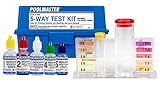
UV helps supplemental sanitation, but chlorine, pH, and alkalinity still need testing.
View on AmazonFAQ
Should I open the UV pool air relief plug every time the pump starts?
No. Use the air relief plug only when the manual says to use it, such as during a startup, leak-test, or service sequence. If air keeps returning during normal operation, look for a suction leak, low water level, valve issue, dirty filter, or plumbing problem instead of repeatedly bleeding the UV chamber.
What should I do if water drips from the air relief plug?
Shut the system down as directed by the manual and inspect only from the outside. A drip can come from a damaged gasket, dirty sealing surface, loose plug, cracked cap, or pressure problem. Do not force the plug tighter if the manual does not tell you to.
Can I replace a UV air relief plug with a hardware-store cap?
Do not assume a generic cap is acceptable. The part has to match the UV vessel, thread, gasket, material, and service rating required by the manufacturer. Use the exact replacement path in the manual or have a technician source the correct part.
Does bleeding air from the UV chamber improve sanitizer levels?
It can help the chamber operate as intended after service, but it does not set chlorine, bromine, salt output, pH, stabilizer, or filtration. Test the water and dose with reliable math instead of treating the air relief plug as a chemistry fix.