UV Pool Bonding Wire Visual Check: Spot Loose Grounding Before Service
| October 12, 2026
Disclosure: This article contains affiliate links. As an Amazon Associate, UV Pool Filter may earn from qualifying purchases.
A UV pool bonding wire visual check is a simple way to notice an electrical safety problem before somebody treats the sanitizer like ordinary plumbing. The bonding wire is not a handle, a hanger, or a mystery copper line to ignore. It is part of the pool equipment bonding system, and a loose or missing connection deserves professional attention.
This check is visual only. Do not open the UV controller, loosen a lug, add a clamp, move a conductor, or test live equipment unless you are qualified to do that work under local electrical code. Your job as the pool owner is to spot obvious damage, document what you see, and call the right person before the system gets used or serviced again.
Shop pool UV maintenance supplies, pool test kits, protective gloves, and bonding-wire inspection accessories on Amazon. Match any electrical, bonding, grounding, lamp, sleeve, controller, or replacement part to the exact equipment manual and local code before buying or installing anything.
Why the copper wire matters
Pool pads collect pumps, filters, heaters, automation boxes, salt systems, UV sanitizers, metal pipes, and wet concrete in one small area. Bonding is intended to reduce voltage differences between conductive parts around the pool. That is why a disconnected copper wire near the sanitizer should never be dismissed as cosmetic.
The CMP DEL AOP 25/40 electrical instructions describe bonding lugs on the outside of the unit and place bonding and grounding work inside the electrical installation procedure. Those instructions also warn to turn power off and disconnect from the source before service. Treat that as the tone for the whole inspection: look first, touch only when the manual and your qualifications allow it.
The Pentair BioShield UV installation and user’s guide says installation must follow local regulations and codes, and it ties the unit to proper grounding and GFCI protection. That does not make every UV system identical. It does mean electrical details belong in the manual and code book, not in guesswork on a Saturday afternoon.
What to look at without taking anything apart
Start with the power off if you need to get close to the equipment pad. Stand where you can see the UV unit, controller, nearby pump, and any external bonding lug without leaning on wet pipes or electrical boxes. A healthy visual layout usually has a visible copper bonding conductor attached firmly to the correct lug or connector, with no obvious corrosion, broken strands, burned insulation, missing screw, or wire pulled tight across a walkway.
Look for changes since the last service visit. A fresh pump, new heater, replumbed UV bypass, patio repair, landscape work, or equipment-pad cleanup can disturb a bonding conductor. If the wire suddenly disappears behind mulch, hangs loose, crosses sharp plastic edges, or looks bent away from the sanitizer, take pictures and stop treating the system as routine.
Do not confuse bonding with grounding
Pool owners often use the words interchangeably, but the work is not casual. A bonding conductor outside the unit and the equipment grounding conductor inside an electrical supply path serve different roles. You are not trying to become the electrician during this check; you’re trying to catch the obvious red flags before anyone starts service. Do not move one conductor because it “looks like it belongs” on another screw. Do not add a separate ground rod, splice a conductor, or replace copper with whatever wire is sitting in the garage.
If the manual names a bonding lug, find that area visually and compare it with the actual equipment. If the part is missing or the connection no longer matches the manual, call a licensed electrician or qualified pool equipment technician. A pool sanitizer can still light up while an installation detail is wrong, so “it turns on” is not a proof of safety.
Pair the bonding check with UV service
The best time to notice bonding problems is before lamp replacement, quartz sleeve cleaning, controller troubleshooting, leak repair, or bypass plumbing work. Those jobs often put a technician’s hands near the UV vessel and enclosure. A loose conductor, corroded lug, or damaged cable should be written on the service list before anyone starts removing covers or turning unions.
For water-care decisions, keep the electrical check separate from chemistry. Use the Pool Chemical Calculator when you need dosing math, and keep the mobile app handy on iPhone or Android. A properly installed UV unit can support a clear-water routine, but it does not replace the sanitizer level required by your pool, chemical labels, and local rules.
Related pad checks include GFCI outlet power inspection, control box shade and splash review, and equipment pad vibration checks. Together, they keep the UV system from being treated as a single isolated tube.

When to call a professional
Call a licensed electrician or qualified pool equipment technician if the bonding wire is loose, cut, corroded, burned, painted over, buried, missing, or attached to a part that does not match the manual. Also call if a recent equipment replacement left an unused lug, an extra loose conductor, or a copper wire sitting near the UV unit with no clear connection point. That’s not a puzzle to solve by trial and error.
Safety note: This is pool-care information, not medical advice, electrical instruction, or a substitute for code-compliant service. Follow the equipment manual, product labels, local electrical code, and manufacturer restrictions. Maintain the sanitizer level required for your pool, and use qualified professionals for bonding, grounding, GFCI diagnosis, controller repair, wiring, conduit, lamp replacement, quartz sleeve removal, leak repair near electrical components, and any task the manufacturer limits to trained service.
Recommended pool maintenance supplies
As an Amazon Associate, UV Pool Filter earns from qualifying purchases.
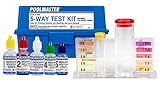
UV helps supplemental sanitation, but chlorine, pH, and alkalinity still need testing.
View on Amazon
A clean cartridge helps protect flow through UV equipment and clears cloudy water faster.
View on Amazon
UV does not replace a measurable sanitizer residual in the pool water.
View on AmazonFAQ
Can I tighten a loose bonding lug on my UV pool sanitizer?
Do not treat it like an ordinary screw. If the lug is loose, corroded, damaged, or connected to electrical equipment, shut the system down as directed and call a qualified professional. The repair has to match the manual and local code.
Is a missing bonding wire the same as a bad UV lamp?
No. A missing or loose bonding wire is an electrical installation concern, while a bad UV lamp is a sanitizing-performance and service-life concern. The unit may still power on, but that does not prove the bonding system is correct.
Should the bonding wire be insulated or bare copper?
That depends on the equipment instructions and local electrical code. Do not copy a neighbor’s pad or an online photo. Use the exact UV manual and a qualified electrician when a conductor needs to be identified, replaced, routed, or connected.
Can bonding problems make pool water cloudy?
Bonding problems do not set sanitizer levels or clean the quartz sleeve. Cloudy water still needs testing, filtration checks, correct chemical dosing, and UV service review. The bonding issue is a safety and installation item that should be handled separately.