UV Pool Pressure Gauge Baseline Check: Spot Flow Problems Before Sanitizing Fades
| September 27, 2026
Disclosure: This article contains affiliate links. As an Amazon Associate, UV Pool Filter may earn from qualifying purchases.
A UV system can only sanitize the water that actually moves through the chamber. A simple pressure gauge baseline check gives you an early warning when flow starts drifting from dirty filters, stuck valves, air in the system, clogged baskets, or plumbing restrictions.
Do this check when the pool is clean, the pump basket is empty, the filter has just been cleaned or backwashed, and the valves are set for normal circulation. That number becomes your reference point. When the gauge climbs or falls away from that baseline, you have a practical clue before cloudy water or weak sanitizing shows up.
Compare replacement pool filter pressure gauges on Amazon. Match the connection and pressure range to your filter manufacturer’s specifications.
Why the pressure baseline matters for UV pools
UV pool sanitizers depend on steady water exposure inside the stainless chamber. If flow gets restricted, the system may run hotter, trip low-flow protection, or treat less water than expected. If pressure drops unexpectedly, you may be pulling air, bypassing the filter, or losing prime.
The goal is not to chase one perfect PSI number. Every pool pad is different. The useful number is your own clean-filter baseline, written down under normal operating conditions.
How to check the gauge
- Run the pump at the normal speed you use for UV circulation.
- Confirm the skimmer and pump baskets are clean.
- Make sure return valves, suction valves, heaters, and bypass valves are in their normal positions.
- Read the pressure gauge while the pump has been running long enough to purge trapped air.
- Write down the PSI, pump speed, filter condition, and date.
- Compare future readings to that baseline before deciding whether to clean the filter or inspect plumbing.
If the gauge needle bounces, sticks, or never returns to zero when the system is off, replace the gauge before trusting the reading. A cheap stuck gauge can send you hunting for a flow problem that is not there.
What changes mean
A pressure rise usually points to resistance after the pump: dirty filter media, a closed return valve, a blocked heater path, scale in plumbing, or a restrictive UV bypass setup. A pressure drop can point to suction-side air leaks, a clogged pump impeller, low water level, a blocked skimmer, or a valve position that changed.
For chemistry decisions, pair this equipment check with the Pool Chemical Calculator. It helps calculate precise pool dosing after you test the water instead of guessing from cloudy water alone. Mobile users can also grab the app on iPhone or Android.

Pressure gauge baseline checklist
- Replace cracked, cloudy, or sticky gauges.
- Record PSI only after air has been bled from the filter.
- Keep the pump speed consistent when comparing readings.
- Clean baskets before logging the baseline.
- Investigate major pressure changes before blaming the UV lamp.
Recommended pool maintenance supplies
As an Amazon Associate, UV Pool Filter earns from qualifying purchases.

Keeps leaves and debris from starving the pump, filter, and UV chamber for water.
View on Amazon
A clean cartridge helps protect flow through UV equipment and clears cloudy water faster.
View on Amazon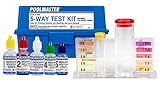
UV helps supplemental sanitation, but chlorine, pH, and alkalinity still need testing.
View on AmazonFAQ
What pressure should a UV pool filter run at?
There is no universal PSI target. Use the pressure reading from your own clean filter, normal valve positions, and normal pump speed as the baseline.
When should I clean the pool filter?
Many pool owners clean when pressure rises 20% to 25% above the clean-filter baseline, but follow your filter manufacturer’s instructions first.
Can low pressure affect a UV sanitizer?
Yes. Low pressure can indicate weak circulation, suction leaks, a clogged impeller, or changed valve positions. UV systems need dependable flow through the chamber.
Should I replace a pressure gauge that does not return to zero?
Yes. If the system is off and the gauge does not return to zero, the reading is not reliable enough for baseline tracking.