UV Pool System Electrical Safety: GFCI, Ballast, and Dry-Run Checks
| June 26, 2026
A UV pool system uses electricity, water, a high-output lamp, and pressurized plumbing in the same equipment pad. That combination is normal when the system is installed correctly, but it deserves a careful check before startup, after service, or any time the pad has been opened for repairs.
The goal is simple: make sure the UV chamber has water flow before the lamp runs, confirm the electrical protection is intact, and catch ballast or wiring problems before they damage the unit.
Affiliate disclosure: As an Amazon Associate, UV Pool Filter may earn from qualifying purchases through links on this page.
Start with GFCI protection
Pool equipment should be protected by properly installed ground-fault circuit interrupter protection. If your UV sanitizer is tied into a pool automation panel, timer, outlet, or dedicated circuit, the protection method depends on the installation. Do not guess. Test the GFCI device according to the label and have a licensed electrician inspect any breaker, outlet, conduit, bonding, or wiring issue that looks questionable.
A UV unit that trips immediately may have moisture intrusion, a damaged cord, a failing ballast, or an installation fault. Resetting the breaker repeatedly without finding the cause is a bad trade. Shut the equipment down and diagnose it before running the pool.
Balance the water before blaming the UV system
Electrical checks keep the unit safe, but water chemistry still decides how the pool behaves. Before replacing parts because of cloudy water or odor, test free chlorine, combined chlorine, pH, alkalinity, stabilizer, and calcium hardness.
Download Pool Chemical Calculator for iPhone/iPad
Download Pool Chemical Calculator for Android
Use the pool calculator website
Confirm water flow before the lamp starts
Many UV pool systems are designed to run only when the circulation pump is moving water through the chamber. Running a lamp in a dry or stagnant chamber can overheat parts, shorten lamp life, and create avoidable service problems. Check that valves are open, the pump is primed, the filter is not badly restricted, and any flow switch or interlock is working as intended.
- After filter cleaning: Recheck valve positions before powering the UV unit.
- After pump service: Prime the pump and confirm steady flow at the returns.
- After plumbing changes: Verify the UV chamber is full and purged of trapped air.
- After a power outage: Watch the first restart instead of assuming the system recovered perfectly.
Watch the ballast and controller
The ballast supplies the lamp. If the lamp flickers, fails to start, runs intermittently, or triggers an alarm, the ballast and lamp should be checked together. A new lamp may not solve a weak ballast, and a failing lamp can sometimes make the controller look suspicious.
Keep the controller dry, keep vents clear, and do not bury the power supply behind chemical containers. Acid fumes, chlorine fumes, heat, and moisture are all hard on pool electronics.

Do a quick safety check before seasonal startup
Before the swim season gets busy, open the equipment area and look for cracked conduit, loose covers, water dripping onto electrical parts, insects inside control boxes, or chemical storage too close to the UV electronics. Also inspect the quartz sleeve and O-rings according to the manual. A clean sleeve helps UV exposure, and a good seal keeps water where it belongs.
When to call a pro
Call a qualified pool technician or electrician if you see scorch marks, repeated breaker trips, wet electrical boxes, damaged cords, missing bonding, or a UV chamber that will not stay sealed. Those are not normal maintenance chores. They are stop-and-fix problems.
Recommended pool maintenance supplies
As an Amazon Associate, UV Pool Filter earns from qualifying purchases.
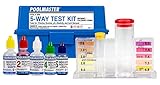
UV helps supplemental sanitation, but chlorine, pH, and alkalinity still need testing.
View on Amazon
A clean cartridge helps protect flow through UV equipment and clears cloudy water faster.
View on Amazon
UV does not replace a measurable sanitizer residual in the pool water.
View on AmazonFAQ
Does a UV pool system need a GFCI?
Pool electrical requirements depend on the installation and local code, but GFCI protection is a core safety check for pool equipment. Have a licensed electrician verify the setup if you are unsure.
Can a UV lamp run without water flow?
It should not run dry unless the manufacturer specifically allows it. Most pool UV systems should operate only when the circulation pump is moving water through the chamber.
Why does my UV unit trip the breaker?
Possible causes include moisture intrusion, damaged wiring, a failed ballast, a bad lamp, or an electrical fault. Shut it down and diagnose the cause instead of repeatedly resetting the breaker.
Do electrical safety checks replace pool chemistry checks?
No. UV can support water treatment inside the chamber, but the pool still needs proper sanitizer residual, pH, filtration, and routine testing.