UV Pool Water Clarity: How UV Supports Filtration Without Replacing Sanitizer
| June 24, 2026
Clear pool water is usually a team effort. The filter removes suspended material, chlorine controls algae and bacteria in the pool, and a UV sanitizer adds an extra treatment point inside the equipment pad. When those roles get mixed up, owners can spend money on UV and still end up chasing cloudy water.
The useful way to think about UV is simple: it supports water clarity by treating water that passes through the chamber, but it does not replace filtration, brushing, balanced chemistry, or a measurable sanitizer residual in the pool.
Affiliate disclosure: As an Amazon Associate, UV Pool Filter may earn from qualifying purchases through links on this page.
What UV can do for water clarity
A properly sized UV system exposes circulating water to ultraviolet light inside a sealed chamber. That exposure can help reduce certain microorganisms and break down some chloramine byproducts as water passes through the unit. The result can be a cleaner-feeling pool when the rest of the system is already doing its job.
UV is most helpful as a support layer. It gives the pool another treatment step, especially on pools with heavy swimmer load, warm water, indoor settings, or recurring combined chlorine complaints.
Balance the water before blaming the equipment
Cloudy water often comes from low free chlorine, high pH, poor filtration, high stabilizer, or calcium scale. Use Pool Chemical Calculator with fresh test results before adding shock, acid, stabilizer, alkalinity increaser, or calcium products.
Download Pool Chemical Calculator for iPhone/iPad
Download Pool Chemical Calculator for Android
Use the pool calculator website
What UV does not replace
- Filtration: UV does not physically remove dirt, pollen, dead algae, plaster dust, or fine debris.
- Chlorine residual: UV treats water inside the chamber only. The pool still needs sanitizer in the water between circulation cycles.
- Brushing and circulation: Dead spots, steps, corners, and ladders still need movement and cleaning.
- Water balance: High pH, low chlorine, high CYA, and scaling conditions can make any pool look dull.
Compare UV pool sanitizers, replacement lamps, quartz sleeves, filter cartridges, and test kits on Amazon. Confirm lamp model, sleeve size, voltage, plumbing size, and filter compatibility before ordering replacement parts.
How filtration and UV work together
The filter handles particles. UV handles exposure. If the filter is dirty, undersized, channeled, or bypassing debris, UV will not magically polish the water. If the UV lamp is old, the quartz sleeve is scaled, or flow is outside the rated range, the chamber may not provide the intended dose.
The best results come when the pool has steady circulation, a clean filter, balanced water, and a UV system that receives the right flow rate for the unit.

Quick troubleshooting checklist
- Test free chlorine, combined chlorine, pH, alkalinity, CYA, and calcium hardness.
- Clean or backwash the filter when pressure and flow indicate it is needed.
- Check that the UV lamp is within its rated service life.
- Inspect the quartz sleeve for scale or film that can block UV exposure.
- Verify pump speed and flow are within the UV manufacturer’s range.
- Brush low-circulation areas before expecting equipment to solve everything.
- Run the pump long enough to turn over and mix the pool after chemical adjustments.
Recommended pool maintenance supplies
As an Amazon Associate, UV Pool Filter earns from qualifying purchases.

A clean cartridge helps protect flow through UV equipment and clears cloudy water faster.
View on Amazon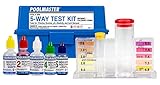
UV helps supplemental sanitation, but chlorine, pH, and alkalinity still need testing.
View on Amazon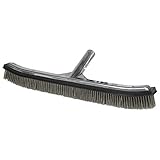
Brushing breaks up algae films and dead spots so sanitation and filtration work better.
View on AmazonFAQ
Will a UV pool sanitizer clear cloudy water by itself?
No. UV can support sanitation, but cloudy water usually needs filtration, brushing, proper chlorine, and balanced pH before it clears.
Can UV reduce the amount of chlorine I need?
UV may reduce some sanitizer demand in certain pools, but you still need to maintain a proper free chlorine residual in the pool water.
Why does my pool look dull even with UV installed?
Common causes include dirty filters, low chlorine, high pH, high stabilizer, calcium scale, poor circulation, or an aging UV lamp.
How often should I check the UV lamp and sleeve?
Follow the manufacturer’s schedule, but most owners should inspect the sleeve during seasonal service and replace lamps based on rated operating hours.