UV Pool Pump Runtime: Circulation for Better UV Exposure
| July 7, 2026
Pump runtime is one of the quiet details that decides whether a UV pool system actually gets enough water through the chamber each day. The UV lamp only treats water while it is moving through the unit, so short schedules, low-flow settings, clogged baskets, or a dirty filter can leave the pool leaning too hard on chlorine between passes.
A good runtime plan starts with turnover, but it should not stop there. UV exposure depends on steady flow, clean equipment, and chemistry that stays in range long enough for the sanitizer residual to protect the water after it leaves the equipment pad.
Affiliate disclosure: As an Amazon Associate, UV Pool Filter may earn from qualifying purchases through links on this page.
Why runtime matters more with UV
Traditional circulation already matters for skimming, filtration, and chemical mixing. With UV, circulation also controls how many opportunities the water has to pass the lamp chamber. If the pump shuts off too early, the sanitizer can be perfectly installed and still see only a fraction of the pool water during a hot, busy day.
The goal is not to run the pump nonstop forever. The goal is to match runtime to pool volume, pump speed, filter condition, bather load, sunlight, and water temperature. A lightly used pool in mild weather may hold clarity with a shorter schedule, while a warm pool after a party may need longer circulation and extra testing.
Calculate chemical adjustments before changing the schedule
Pool Chemical Calculator helps turn fresh test results into practical dosing amounts for your pool volume. Use it alongside pump runtime changes so chlorine, pH, alkalinity, stabilizer, and shock decisions stay tied to real numbers.
Download Pool Chemical Calculator for iPhone/iPad
Download Pool Chemical Calculator for Android
Use the pool calculator website
Start with flow, not just hours
Eight hours at poor flow is not the same as eight hours through a clean, properly primed system. Before extending the schedule, check the simple restrictions that reduce movement through the UV chamber: full skimmer baskets, a pump basket packed with debris, high filter pressure, partially closed valves, or a variable-speed pump set below the UV unit’s required flow switch range.
If your system has a flow indicator or warning light, treat it as part of the daily equipment check. The lamp can be on while the chamber still receives less useful exposure than expected if water movement is weak or uneven.

A practical runtime approach
For many residential pools, a useful starting point is to run enough hours to achieve a full daily turnover during the swimming season, then adjust based on testing and clarity. Variable-speed owners can often run longer at a lower speed, but only if that speed still satisfies the UV manufacturer’s minimum flow requirement.
- Morning: Run circulation long enough to skim, filter, and distribute the previous evening’s chemical adjustments.
- Afternoon: Add runtime during peak sunlight and swimmer use, when chlorine demand rises fastest.
- After heavy use: Extend circulation so filtered and UV-treated water has more passes through the system.
- After storms: Run longer while removing debris, testing chemistry, and watching filter pressure.
When to add more pump time
Cloudy water, recurring combined chlorine, algae dust, weak skimming, or test results that swing wildly by evening are signs the pool may need more circulation or better flow. Add runtime in measured blocks, clean the filter if pressure is high, and retest before assuming the UV unit is the problem.
Runtime is only one lever. If stabilizer is too high, free chlorine is too low, pH is drifting, or the UV lamp is near the end of its rated life, longer pump operation may help but will not fully correct the underlying issue. Use circulation changes as part of a complete water-care routine, not as a substitute for chemistry.
Recommended pool maintenance supplies
As an Amazon Associate, UV Pool Filter earns from qualifying purchases.
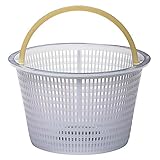
Keeps leaves and debris from starving the pump, filter, and UV chamber for water.
View on Amazon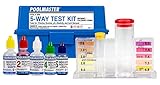
UV helps supplemental sanitation, but chlorine, pH, and alkalinity still need testing.
View on Amazon
A clean cartridge helps protect flow through UV equipment and clears cloudy water faster.
View on AmazonFAQ
How long should I run a pool pump with a UV system?
Run it long enough to provide strong filtration and regular passes through the UV chamber, then adjust based on pool volume, pump flow, swimmer load, weather, and test results.
Can I run a variable-speed pump on low with UV?
Yes, if the low speed still meets the UV unit’s minimum flow requirement. If the flow switch or warning light indicates a problem, increase speed during UV operation.
Does longer pump runtime replace chlorine?
No. More circulation can improve filtration and UV exposure, but the pool still needs a proper free chlorine residual and balanced water between trips through the equipment.
Should I run the pump after shocking a UV pool?
Yes. Circulation helps mix the shock dose, move water through the filter and UV chamber, and clear suspended material while you wait to retest before swimming.