UV Pool Filter Pressure: What Rising PSI Means for Flow and Clarity
| July 8, 2026
Rising filter pressure is one of the fastest ways to spot a circulation problem before a UV pool system gets blamed for cloudy water. UV treatment depends on water moving through the chamber at the right speed. When the filter loads with debris and PSI climbs, the lamp may still be working, but the pool may be sending less water past it each hour.
That does not mean every pressure change is an emergency. A clean cartridge, sand, or DE filter will have a normal baseline after backwashing or cleaning. The useful signal is the increase above that clean starting point, especially when it comes with weaker returns, reduced skimming, cloudiness, or sanitizer demand that feels higher than usual.
Affiliate disclosure: As an Amazon Associate, UV Pool Filter may earn from qualifying purchases through links on this page.
Why pressure affects UV performance
A UV chamber only treats water that actually passes the lamp. If a dirty filter, clogged basket, closed valve, or air leak lowers flow, the system gets fewer treatment passes during the pump schedule. The water can still look like it is moving, but turnover and exposure time may be lower than expected.
High pressure also makes troubleshooting confusing. Owners may see cloudy water and assume the UV lamp is weak, when the real issue is a loaded filter restricting circulation. Before replacing bulbs or changing plumbing, compare current PSI with the clean-filter baseline and confirm the pump is fully primed.
Balance the water before chasing equipment problems
Pool Chemical Calculator helps turn fresh test results into practical dosing amounts for your pool volume. Use it when checking chlorine, pH, alkalinity, stabilizer, and shock levels so pressure fixes and chemistry decisions work together.
Download Pool Chemical Calculator for iPhone/iPad
Download Pool Chemical Calculator for Android
Use the pool calculator website
Use clean-filter pressure as your baseline
The number on the gauge matters less than the change from clean pressure. After cleaning cartridges, backwashing sand, or backwashing and recharging DE, write down the PSI while the pump is running at the normal UV speed. That number becomes the baseline for the season.
Many pool owners clean or backwash when pressure rises about 20 to 25 percent above the clean reading, but manufacturer guidance should win. A system that starts at 12 PSI may deserve attention around 15 PSI, while a system that starts at 20 PSI has a different range. The key is to track your own equipment instead of copying a neighbor’s gauge reading.

What to check when PSI rises
Start with the simple restrictions before assuming a major equipment failure. Empty skimmer and pump baskets, confirm water level is halfway up the skimmer opening, inspect the pump lid O-ring, and make sure return valves are not partially closed. Then clean the filter according to the filter type.
- Cartridge filters: Rinse between pleats and deep-clean when oils or scale keep pressure high after a normal spray-down.
- Sand filters: Backwash until the sight glass clears, then rinse before returning to filter mode.
- DE filters: Backwash, recharge with the correct DE amount, and tear down for cleaning when pressure rebounds quickly.
- Variable-speed pumps: Confirm the selected speed still satisfies the UV unit’s minimum flow requirement after the filter loads.
Pressure, clarity, and sanitizer demand
A dirty filter can create a double hit: less filtration and fewer UV passes. Fine debris stays suspended longer, chlorine demand rises, and the pool may need extra runtime or cleaning after storms, parties, pollen, or heavy leaf drop. If pressure rises fast after every cleaning, look for algae starting in the water, worn filter media, undersized filtration, or debris bypassing the baskets.
Keep chemistry in range while you solve the flow problem. UV supports water quality, but it does not replace the free chlorine residual that protects the pool between trips through the equipment pad. Test before and after cleaning so you can see whether better circulation also stabilizes chlorine and clarity.
Recommended pool maintenance supplies
As an Amazon Associate, UV Pool Filter earns from qualifying purchases.
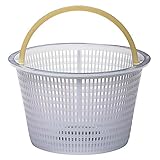
Keeps leaves and debris from starving the pump, filter, and UV chamber for water.
View on Amazon
A clean cartridge helps protect flow through UV equipment and clears cloudy water faster.
View on Amazon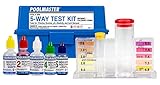
UV helps supplemental sanitation, but chlorine, pH, and alkalinity still need testing.
View on AmazonFAQ
What pool filter pressure is too high for a UV system?
Use your clean-filter PSI as the baseline. A rise of about 20 to 25 percent is a common cleaning trigger, but follow the filter and UV equipment manuals for your exact setup.
Can high filter pressure make a UV pool cloudy?
Yes. High pressure often means restricted flow, which can reduce filtration and the number of passes through the UV chamber. Chemistry still matters, so test chlorine and pH at the same time.
Should I clean the filter before replacing a UV lamp?
Usually, yes. If pressure is high or flow is weak, clean the filter and confirm circulation before assuming the lamp or ballast is the cause of cloudy water.
Why does pressure rise quickly after cleaning?
Fast pressure rebound can point to algae, heavy debris, oils, scale, damaged media, or a filter that needs deeper cleaning instead of a quick rinse or backwash.