UV Pool Return Jet Direction: Improve Circulation Before Dead Spots Cloud Water
| August 6, 2026
Disclosure: As an Amazon Associate, UV Pool Filter may earn from qualifying purchases through links on this page.
Return jets decide where filtered and UV-treated water actually goes after it leaves the equipment pad. When the eyeball fittings are pointed randomly, clean water can race across the surface while corners, steps, benches, and deep-end pockets barely move. Those quiet areas collect dust, pollen, sunscreen residue, and algae-friendly debris.
A UV system works best when circulation keeps the whole pool involved. The lamp treats water that passes through the chamber, but return direction helps that treated water mix back into the pool instead of leaving dead spots behind.
How to spot poor return direction
Look for debris that always gathers in the same place after the pump has run for an hour or two. Floating leaves, pollen lines, cloudy corners, or recurring algae near steps often point to weak circulation. You may also see one strong return jet doing most of the work while another barely disturbs the surface.
- Fine debris sits in corners even after normal run time.
- Steps, ladders, benches, or deep-end corners turn slick first.
- Surface movement is strong near one wall but flat elsewhere.
- Cloudiness improves near returns but lingers in protected areas.
A simple return-jet adjustment routine
Start with the pump running and aim most wall returns slightly downward and in the same circular direction. The goal is a slow, organized rotation that moves surface debris toward the skimmer while also pushing water below the top few inches. In many pools, a gentle clockwise or counterclockwise pattern works better than aiming every jet straight across the surface.
Do not aim returns so aggressively that they splash, pull air, or disturb the skimmer mouth. After each adjustment, let the pump run and watch where debris travels. Brush corners, steps, and benches toward the main current so the filter can capture what was sitting still.
Keep chemistry in range while you tune circulation. Better return direction helps filtration and UV exposure, but it does not replace sanitizer, brushing, or testing. Use the Pool Chemical Calculator to size water-balance changes by pool volume, and keep the iOS app or Android app nearby when you test after a circulation change.
Supplies that make this easier
Useful items include adjustable return eyeball fittings, a wall brush, skimmer socks for fine debris, a reliable test kit, and replacement return gaskets if fittings are brittle or leaking. If a return fitting is cracked, stuck, or missing the eyeball insert, replacing it can make circulation tuning much easier.

Shop Amazon Pools for return jet fittings, pool brushes, skimmer socks, test kits, and pool care supplies that help UV pools circulate more evenly.
Recommended pool maintenance supplies
As an Amazon Associate, UV Pool Filter earns from qualifying purchases.
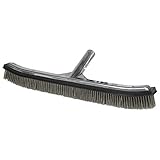
Brushing breaks up algae films and dead spots so sanitation and filtration work better.
View on Amazon
A clean cartridge helps protect flow through UV equipment and clears cloudy water faster.
View on Amazon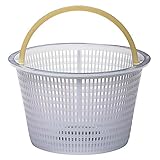
Keeps leaves and debris from starving the pump, filter, and UV chamber for water.
View on AmazonFAQ
Should pool return jets point up or down?
For many pools, aiming returns slightly downward and in a shared circular direction improves mixing better than pointing every jet at the surface.
Can poor return direction cause cloudy spots in a UV pool?
Yes. UV only treats water that reaches the chamber, and filtration only removes debris that reaches the filter. Dead spots can stay cloudy even when the equipment is working.
How often should I adjust pool return jets?
Check them after opening, after replacing fittings, after heavy debris events, and any time the same corner repeatedly collects debris or algae.