UV Pool Pressure Gauge Port Cleaning: Clear Clogs Before Readings Mislead You
| August 31, 2026
Disclosure: As an Amazon Associate, UV Pool Filter may earn from qualifying purchases through links that use the pooluv1-20 affiliate tag.
A pressure gauge is only useful when water can reach it. A tiny clogged gauge port can make a clean filter look dirty, a dirty filter look normal, or a weak pump problem look like a chemistry problem. For a UV pool, bad pressure information can send you chasing the lamp, sleeve, or sanitizer level while circulation is quietly drifting away from the flow the chamber needs.
Make the gauge port part of your equipment-pad check whenever pressure readings stop matching return flow. If the gauge needle moves slowly, stays stuck after shutdown, or gives the same reading before and after cleaning the filter, remove the gauge and clear the port before making bigger changes. After the circulation issue is corrected, use the Pool Chemical Calculator, iPhone app, or Android app to dose from fresh test results instead of guesswork.
Pressure gauge port warning signs
- The gauge needle barely changes after a cartridge cleaning, backwash, or basket cleaning.
- Return jets feel weaker even though the pressure reading looks normal.
- The needle does not fall cleanly to zero when the pump shuts off.
- Air relief behavior, pump sound, and visible flow disagree with the number on the dial.
- The gauge threads show scale, rust, grit, or dried residue when you remove it.

Why accurate pressure matters for UV pools
UV sanitation depends on water moving through the chamber at a dependable rate. A clogged gauge port does not directly restrict the main plumbing, but it can hide the real state of the system. If pressure appears fine while flow is falling, the pool may get less turnover through the UV unit than your normal schedule assumes.
Bad pressure readings also waste time. You may replace a lamp early, clean a quartz sleeve that was already clear, or add more sanitizer to compensate for a circulation problem. A five-minute gauge-port check keeps the troubleshooting path honest.
How to clean the gauge port safely
Turn the pump off, open the air relief if your filter has one, and wait for pressure to drop before removing the gauge. Wrap the gauge with a rag, loosen it gently, and inspect the small port below it. Clear debris with a plastic pick, soft brush, or a short rinse from a hose. Avoid forcing metal tools into plastic housings or enlarging the opening.
If the gauge still sticks, replace it. Pool pressure gauges are inexpensive, and a fresh dial is often cheaper than losing another weekend to false readings. Restart the pump, bleed air from the filter, record the clean baseline pressure, and compare future readings against that baseline.
Recommended pool maintenance supplies
As an Amazon Associate, UV Pool Filter earns from qualifying purchases.

A clean cartridge helps protect flow through UV equipment and clears cloudy water faster.
View on Amazon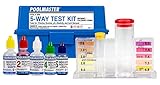
UV helps supplemental sanitation, but chlorine, pH, and alkalinity still need testing.
View on Amazon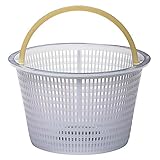
Keeps leaves and debris from starving the pump, filter, and UV chamber for water.
View on AmazonFrequently Asked Questions
Can a clogged pressure gauge port hurt UV pool performance?
It can indirectly hurt performance by hiding low flow, dirty filtration, or air problems that reduce turnover through the UV chamber.
How often should I check a pool pressure gauge port?
Check it whenever the pressure reading does not match the way the returns, pump, or filter behave, and inspect it during seasonal equipment service.
Should I replace the gauge or clean the port first?
Clean the port first if the gauge looks intact. Replace the gauge if the needle sticks, the lens is cloudy, the case is corroded, or it will not return to zero.