UV Pool Main Drain Cover Inspection: Keep Suction Clear Before Flow Drops
| September 7, 2026
Disclosure: As an Amazon Associate, UV Pool Filter may earn from qualifying purchases through links that use the pooluv1-20 affiliate tag.
A main drain cover can collect hair, leaves, toys, plaster chips, and small debris long before the pool looks dirty. In a UV pool, that restriction matters because the system depends on steady circulation through the filter and UV chamber. If suction falls, sanitation slows even when the lamp is working.
Inspect the drain cover after storms, heavy swimming, brushing, or any time the pump basket loads faster than normal. Test the water first, then use the Pool Chemical Calculator, iPhone app, or Android app to adjust chlorine, pH, alkalinity, calcium hardness, and stabilizer from measured results instead of guessing.
Warning signs the drain cover needs attention
- Return jets look weaker even after the skimmer and pump baskets are cleaned.
- Leaves or hair gather around the drain cover instead of moving toward the skimmer.
- The automatic cleaner slows, stalls, or loses suction in the deep end.
- The pump sounds starved or the filter pressure changes without a clear cause.
- The cover looks cracked, loose, missing screws, or no longer sits flush.

Why drain cover condition affects UV sanitation
UV systems do not add sanitizer to stagnant water. They treat water as it passes through the chamber, so anything that reduces suction can lower the amount of water getting exposed during each turnover. A blocked or damaged drain cover can also push more work onto the skimmer line, making surface cleanup less reliable.
A clean, secure cover protects the circulation system and improves safety. It keeps large debris out of the plumbing, reduces the chance of suction imbalance, and helps the filter load predictably. That makes pressure readings, flow-switch behavior, and chemical corrections easier to trust.
How to inspect it safely
Turn off the pump before touching the drain area. Brush debris away from the cover and look for cracks, missing screws, sharp edges, or movement. If the cover is damaged, outdated, loose, or not clearly compliant with current anti-entrapment standards, stop using the pool and have a qualified pool technician replace it.
After cleaning or replacement, restart the pump and watch the pump basket, filter pressure, return jets, and UV flow indicator if your system has one. If flow still looks weak, check skimmer weirs, pump lid O-rings, valves, and filter condition before making chemical changes.
Recommended pool maintenance supplies
As an Amazon Associate, UV Pool Filter earns from qualifying purchases.
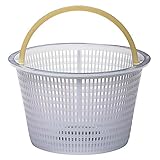
Keeps leaves and debris from starving the pump, filter, and UV chamber for water.
View on Amazon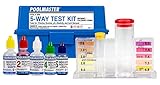
UV helps supplemental sanitation, but chlorine, pH, and alkalinity still need testing.
View on Amazon
A clean cartridge helps protect flow through UV equipment and clears cloudy water faster.
View on AmazonFrequently Asked Questions
Can a dirty main drain cover reduce UV pool performance?
Yes. A restricted drain cover can reduce suction and lower circulation through the UV chamber, which slows how much water gets treated.
Should I swim if the main drain cover is loose?
No. A loose, cracked, missing, or outdated drain cover is a safety issue. Turn off the pump and call a qualified pool technician.
How often should I inspect a pool drain cover?
Check it visually during routine brushing and after storms, heavy debris, or unusual flow changes. Give it a closer inspection at opening, closing, and before peak swim season.