UV Pool Scale Prevention: Keep Quartz Sleeves, Filters, and Flow Clear
| July 22, 2026
Disclosure: This article may contain affiliate links. As an Amazon Associate, UV Pool Filter may earn from qualifying purchases.
Scale is one of the quietest ways to weaken a UV pool system. A thin mineral film on a quartz sleeve can block UV exposure, slow flow through equipment, and make clean water look harder than it needs to be.
The fix is not complicated: keep pH, alkalinity, calcium hardness, and saturation balance in range, then inspect the UV chamber on a regular schedule. That combination protects the sleeve, the filter, and the pump from fighting preventable buildup.
Why Scale Matters in UV Pools
UV sanitation depends on clear water passing close to a clean lamp sleeve. When calcium carbonate builds on the quartz, less UV reaches the water. The system may still power on, but the actual dose can drop.
Scale also collects in filters, heater exchangers, salt cells, valves, and return fittings. If the filter pressure keeps climbing quickly after cleaning, or the salt cell needs frequent acid baths, water balance deserves a closer look.
Scale Warning Signs to Watch
- Cloudy white deposits: Check tile lines, returns, ladders, and the UV sleeve if accessible.
- Rising filter pressure: Fast pressure rebound after cleaning can point to fine debris, scale, or both.
- Reduced return flow: Scale narrows passages and can make circulation less efficient.
- Salt cell flakes: White flakes from returns often mean calcium is shedding from a salt cell.
- High pH drift: Pools that climb above target pH often form scale faster.
Shop pool scale remover on Amazon.
Compare calcium hardness pool test kits on Amazon.

How to Prevent Buildup
Test pH and alkalinity often during hot weather, heavy aeration, and saltwater chlorine generator use. Keep pH from drifting high for long periods, and do not ignore calcium hardness if fill water is naturally hard.
Inspect the UV sleeve during seasonal service or whenever flow drops without an obvious basket or filter problem. Clean only according to the equipment manual, because abrasive pads can scratch quartz and make future buildup worse.
Use the Right Dose, Not Guesswork
Before adding acid, calcium reducer, or other balance chemicals, use the free Pool Chemical Calculator to estimate pH, alkalinity, calcium, chlorine, salt, and stabilizer adjustments. Mobile users can also use the Pool Chemical Calculator iPhone app or Pool Chemical Calculator Android app.
Recommended pool maintenance supplies
As an Amazon Associate, UV Pool Filter earns from qualifying purchases.

Helps small particles clump so the filter can clear hazy water more efficiently.
View on Amazon
A clean cartridge helps protect flow through UV equipment and clears cloudy water faster.
View on Amazon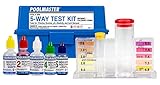
UV helps supplemental sanitation, but chlorine, pH, and alkalinity still need testing.
View on AmazonFAQ
Can scale reduce UV pool performance?
Yes. Mineral buildup on the quartz sleeve can block UV light from reaching the water, even when the lamp still turns on.
Does UV remove calcium from pool water?
No. UV helps with sanitation, but calcium hardness and scale control still require water balance and routine maintenance.
How often should I inspect a UV quartz sleeve?
Check the equipment manual, but seasonal inspection is a smart baseline. Inspect sooner if flow drops, water clouds, or scale appears elsewhere.
Should I acid wash a salt cell every time I see scale?
Follow the cell manufacturer’s instructions. Excessive acid cleaning can shorten cell life, so prevention through balanced water is better.