UV Pool Unions and O-Rings: Stop Air Leaks Before They Hurt Flow
| July 21, 2026
Disclosure: This article may contain affiliate links. As an Amazon Associate, UV Pool Filter may earn from qualifying purchases.
Small air leaks around pool unions and O-rings can create big UV performance problems. The pump may still run, the water may still move, and the UV lamp may still glow, but tiny bubbles and inconsistent flow reduce the clean, steady exposure that UV systems depend on.
The good news is that most suction-side leaks are simple maintenance issues. A dry O-ring, loose union collar, cracked pump lid gasket, or overtightened fitting can pull air into the system without leaving an obvious puddle. If you see bubbles in the pump basket or returns, start with the seals before blaming the UV unit.
Why Air Leaks Matter for UV Pools
UV chambers are designed for water, not foamy water mixed with air. When air enters the circulation system, it can reduce prime, lower flow, trigger warning lights, and make filter pressure readings unreliable. Even if the pool looks mostly clear, unstable circulation makes sanitation harder to manage.
Air leaks also waste troubleshooting time. Cloudy water after service may look like a chemistry problem, but if the pump is pulling air before the filter, the UV system and filter both get less consistent water movement.
Where to Check First
- Pump lid O-ring: Remove debris, clean the groove, lubricate with pool-safe silicone, and reseat the lid evenly.
- Union O-rings: Inspect for flat spots, cracks, stretching, or grit that prevents a smooth seal.
- Drain plugs: Confirm plugs are snug and their small gaskets are intact.
- Valve stems: Look for tiny air paths around diverter valves and threaded fittings near the pump.
- Water level: Keep the pool level high enough so the skimmer does not gulp air.
Shop pool O-ring lubricant on Amazon.
Compare pool union O-rings and pump gasket kits on Amazon.

Simple Repair Sequence
Turn the pump off, release pressure at the filter, and open one seal at a time. Wipe the contact surfaces clean, inspect the O-ring, apply a thin coat of silicone lubricant, then hand-tighten the collar or lid. Do not use petroleum jelly because it can swell rubber and shorten gasket life.
After restarting the pump, watch the basket for two minutes. A few bubbles during startup can be normal, but a steady stream usually means the leak is still active. If the pump loses prime overnight, repeat the inspection around the pump lid, suction valves, and above-water plumbing first.
Balance Chemistry While You Restore Flow
Fixing air leaks improves circulation, but it does not replace sanitizer or water balance. Use the free Pool Chemical Calculator to estimate chlorine, pH, alkalinity, calcium, salt, and stabilizer adjustments after the pump is moving water normally again. Mobile users can also use the Pool Chemical Calculator iPhone app or Pool Chemical Calculator Android app.
Recommended pool maintenance supplies
As an Amazon Associate, UV Pool Filter earns from qualifying purchases.
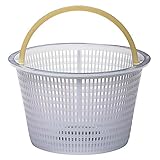
Keeps leaves and debris from starving the pump, filter, and UV chamber for water.
View on Amazon
A clean cartridge helps protect flow through UV equipment and clears cloudy water faster.
View on Amazon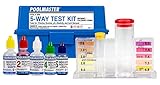
UV helps supplemental sanitation, but chlorine, pH, and alkalinity still need testing.
View on AmazonFAQ
Can an air leak reduce UV pool performance?
Yes. Air in the circulation system can reduce flow stability through the UV chamber and make filtration less predictable.
Should I lubricate every pool O-ring?
Use a thin coat of pool-safe silicone lubricant on removable rubber O-rings. Avoid petroleum products because they can damage rubber.
Why do I see bubbles after cleaning the pump basket?
The pump lid O-ring may be dirty, dry, twisted, or not seated evenly. Clean and reseat the lid before looking for larger plumbing problems.
Can I overtighten a pool union?
Yes. Hand-tight is usually enough. Overtightening can distort the O-ring or crack plastic fittings, which creates a worse leak.