UV Pool System Sizing: Match Lamp Output, Pool Volume, and Pump Runtime
| June 19, 2026
Picking a UV pool system is not just a bigger-is-better decision. The right setup has to match three things at once: lamp output, pool volume, and the real pump schedule that moves water through the chamber every day.
If the unit is undersized, cloudy water and sanitizer demand can linger even when the lamp is glowing. If the system is oversized or installed around the wrong flow assumptions, you can spend more than needed and still miss the circulation problem that is actually hurting water clarity.
Start with pool volume and turnover
Pool volume is the baseline for every sizing decision. A 12,000 gallon pool and a 32,000 gallon pool can both use UV, but they do not ask the lamp to do the same amount of work. Larger pools need more water treated over the day, and that usually means more lamp output, more run time, or both.
Turnover is the practical side of that math. UV only treats the water that passes through the chamber, so pump runtime matters as much as the label on the box. A strong UV unit running through a short, weak circulation window may perform worse than a properly sized unit with steady flow.
Calculate chemical changes after sizing the system
UV supports sanitation, but your pool still needs measured sanitizer and balanced water. Before adding chlorine, acid, alkalinity increaser, calcium products, or stabilizer, dose from actual pool volume instead of guessing.
Download Pool Chemical Calculator for iPhone/iPad
Download Pool Chemical Calculator for Android
Use the pool calculator website
Match UV output to the pool’s real workload
UV systems are rated around lamp power, chamber design, and flow rate. The important question is not just how bright the lamp is. It is whether the water gets enough exposure at the flow your plumbing actually delivers.
- Small residential pools: usually need a compact system, clean plumbing, and enough daily runtime to keep water moving.
- High-use pools: may need stronger UV support because bather load increases organic demand.
- Sunny outdoor pools: still need proper chlorine and CYA management because UV does not protect sanitizer from sunlight.
- Pools with weak circulation: need flow problems fixed before UV sizing can be judged fairly.
Compare UV pool lamps, quartz sleeves, flow meters, and sanitizer parts on Amazon. Match the exact model number, voltage, plumbing size, and lamp type before ordering anything.
Do not size UV from pump horsepower alone
Pump horsepower is a rough clue, not a sizing answer. Plumbing diameter, filter condition, valves, heaters, elevation, and pump speed all affect actual flow. A variable-speed pump at low RPM may move far less water than the equipment pad looks capable of moving.
For a better field check, start with the UV manufacturer’s rated flow range. Then compare it with your clean-filter pressure, return strength, pump curve, and any flow indicator included with the sanitizer. If the filter is dirty or baskets are clogged, clean them before making decisions.

Variable-speed pumps need a sizing-friendly schedule
Variable-speed pumps are great for saving electricity, but they can accidentally starve a UV chamber if the daily schedule is built only around low wattage. The system needs enough flow during enough hours to support filtration, skimming, heating if present, and UV exposure.
A common practical setup is a higher-speed window for skimming and UV circulation, followed by a lower-speed background filtration period. The exact RPM depends on the pool, but the principle is simple: do not let energy savings quietly wreck turnover.
When a larger UV unit makes sense
Upsizing can make sense when the pool has heavy use, frequent organic load, a short pump schedule that cannot be extended, or a manufacturer recommendation for the pool’s gallon range. It can also help when the plumbing supports proper flow without exceeding the unit’s maximum rating.
But upsizing is not a cure for old lamps, cloudy sleeves, low chlorine, poor brushing, algae, dirty cartridges, or bad pH. Fix those first. Otherwise you are buying equipment to compensate for maintenance problems, and that gets expensive fast.
Quick UV sizing checklist
- Confirm the pool volume in gallons.
- Find the UV unit’s recommended pool size and rated flow range.
- Check clean-filter pressure before judging flow.
- Confirm pump runtime and variable-speed RPM windows.
- Match replacement lamps and sleeves by exact model number.
- Keep chlorine, pH, CYA, alkalinity, and calcium hardness in range.
Recommended pool maintenance supplies
As an Amazon Associate, UV Pool Filter earns from qualifying purchases.

A clean cartridge helps protect flow through UV equipment and clears cloudy water faster.
View on Amazon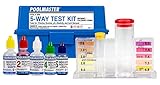
UV helps supplemental sanitation, but chlorine, pH, and alkalinity still need testing.
View on Amazon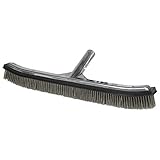
Brushing breaks up algae films and dead spots so sanitation and filtration work better.
View on AmazonFAQ
Can a UV pool system be too small?
Yes. An undersized UV system may not provide enough exposure for the pool volume, flow rate, and daily bather load, especially if pump runtime is short.
Is a bigger UV pool sanitizer always better?
No. A larger unit can help in some pools, but it still needs the correct flow range, clean plumbing, and proper chemical balance to work well.
How do I size UV for a variable-speed pump?
Use the UV manufacturer’s flow range, then build a pump schedule that gives the chamber enough flow for enough hours without exceeding equipment limits.
Does UV sizing replace chlorine calculations?
No. UV can reduce some sanitation burden, but the pool still needs a measurable chlorine residual based on water balance, stabilizer level, sunlight, and use.
Bottom line: Size the UV system around the pool’s real gallonage, real flow, and real pump schedule. The best unit is the one that gets consistent exposure without hiding circulation or chemistry problems.
Get Pool Chemical Calculator: iOS | Android | website.
Disclosure: This post contains Amazon affiliate links. As an Amazon Associate, UV Pool Filter may earn from qualifying purchases.