UV Pool System Flow Rate: How to Balance Turnover and Exposure Time
| June 18, 2026
UV pool systems depend on a simple tradeoff: water has to move through the chamber often enough for good turnover, but not so fast that exposure time gets squeezed. If the pump is struggling, the filter is dirty, or a variable-speed pump is set too low, the UV unit may be installed correctly and still underperform.
This guide walks through flow rate without turning it into a plumbing textbook. The goal is practical: keep water moving, protect the UV equipment, and avoid chasing cloudy water with chemicals when the real issue is circulation.
Why flow rate matters in a UV pool system
A UV lamp only treats water that passes through the chamber. The system needs enough flow to keep the pool circulating, but each UV model also has a rated flow range. When water moves outside that range, performance can drop even if the lamp is new and the quartz sleeve is clean.
- Too little flow: poor turnover, weak skimming, low return pressure, and dead spots in the pool.
- Too much flow: reduced UV exposure time and more pressure stress on equipment.
- Unsteady flow: air leaks, clogged baskets, dirty filters, and valve restrictions that make troubleshooting confusing.
Balance chemicals after flow is stable
UV helps support sanitation, but it does not replace water balance. Before adding chlorine, acid, alkalinity increaser, calcium products, or stabilizer, calculate the dose for your actual pool volume.
Download Pool Chemical Calculator for iPhone/iPad
Download Pool Chemical Calculator for Android
Use the pool calculator website
Start with the equipment label, not a guess
Most UV pool sanitizers list a maximum flow rate in gallons per minute. Some manuals also specify an ideal range. That number matters more than a generic internet rule because chamber size, lamp output, and plumbing size vary by model.
If you cannot find the manual, search the model number on the control box or chamber label. Match the exact unit before ordering parts or changing plumbing. A similar-looking lamp or sleeve can be wrong enough to cause leaks, electrical risk, or weak UV output.
Compare UV pool flow meters, replacement lamps, sleeves, and sanitizer parts on Amazon. Use the model number and plumbing size before buying; close enough is not a plan.
Use filter pressure as an early warning
Your pressure gauge is not perfect, but it is useful. A rising pressure reading usually means the filter is loading up and flow is falling. A pressure reading much lower than normal can point to a clogged basket, pump prime issue, closed valve, or suction-side air leak.
- Record the clean-filter pressure after a proper cleaning or backwash.
- Check pressure when the water starts looking dull or returns feel weak.
- Clean the filter when pressure rises according to the filter manufacturer’s guidance.
- Recheck UV flow symptoms after the filter is clean, not before.

Variable-speed pumps need a UV-aware schedule
Variable-speed pumps save electricity, but an ultra-low speed can starve skimmers, filters, heaters, and UV systems. If the pump schedule was built only around energy savings, the UV chamber may not see enough flow during the hours when sanitation support matters most.
A practical schedule often uses a higher speed for skimming, heating, and UV circulation, then a lower speed for quiet background filtration. The exact RPM depends on plumbing, equipment, and pool size, so use return strength, filter pressure, and the UV manual as the guide.
Do not confuse UV flow with chlorine demand
If chlorine disappears quickly, flow may be only part of the story. Sunlight, low CYA, heavy bather load, organics, algae, high pH, and dirty filters can all raise chlorine demand. UV is a helper, not a magic reset button.
Test free chlorine, combined chlorine, pH, CYA, alkalinity, and calcium hardness. Then check circulation: pump baskets, skimmers, filter pressure, valve positions, air bubbles, and UV chamber flow direction. Fix the boring basics first. They are usually where the answer is hiding.
A quick flow-rate troubleshooting checklist
- Confirm the UV unit is installed in the correct flow direction.
- Clean skimmer and pump baskets before judging pump performance.
- Compare current filter pressure with your clean-filter baseline.
- Look for bubbles under the pump lid or at the return jets.
- Verify valve positions after cleaning, vacuuming, or using a water feature.
- Check the UV manual for maximum flow and lamp maintenance intervals.
Recommended pool maintenance supplies
As an Amazon Associate, UV Pool Filter earns from qualifying purchases.
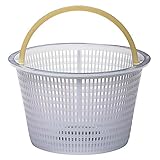
Keeps leaves and debris from starving the pump, filter, and UV chamber for water.
View on Amazon
A clean cartridge helps protect flow through UV equipment and clears cloudy water faster.
View on Amazon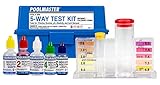
UV helps supplemental sanitation, but chlorine, pH, and alkalinity still need testing.
View on AmazonFAQ
Can pool water move too fast through a UV sanitizer?
Yes. UV systems are rated for a maximum flow rate. If water moves too fast, exposure time inside the chamber can drop and the unit may not perform as intended.
Can low pump speed make a UV pool system less effective?
Yes. A variable-speed pump set too low can reduce turnover and may not provide enough flow through the UV chamber, filter, heater, or returns.
How do I know if my UV system has enough flow?
Start with the UV manual, then check filter pressure, return strength, valve positions, basket clogs, pump prime, and any flow indicator or sensor included with the unit.
Does better flow mean I can use less chlorine?
No. Better flow helps filtration and UV performance, but the pool still needs a measurable sanitizer residual matched to stabilizer level, weather, and bather load.
Bottom line: A UV pool system works best when pump speed, filter cleanliness, and chamber flow stay inside the equipment’s real operating range. Balance flow first, then balance the water.
Get Pool Chemical Calculator: iOS | Android | website.
Disclosure: This post contains Amazon affiliate links. As an Amazon Associate, UV Pool Filter may earn from qualifying purchases.