Pool Brushing and Vacuuming: The Weekly Habit That Stops Algae Early
| May 28, 2026
A pool can test “fine” and still grow algae in corners if the walls never get brushed. That is the part many owners miss. Chemicals sanitize the water, filters remove debris, and UV or salt systems support the process, but surfaces still need physical cleaning.
Brushing and vacuuming are not just cosmetic chores. They break up early algae films, move dirt toward the filter, expose hidden trouble spots, and help chlorine reach places circulation barely touches. If your pool gets dusty steps, green seams, or recurring cloudy water, this routine is worth tightening up.
Why brushing matters even when the water is clear
Algae usually starts as a thin film before it turns the whole pool green. It likes shaded walls, ladder cups, light niches, steps, corners, tile lines, and areas with weak circulation. Early biofilm can cling to surfaces where normal water movement is not strong enough to remove it.
Brushing breaks that film loose so chlorine can do its job and the filter can catch the debris. Without brushing, you may keep adding sanitizer while the same stubborn patches keep coming back.
How often should you brush?
During swim season, most pools should be brushed at least once a week. Brush more often after storms, heavy swimming, pollen drops, algae treatment, pool opening, or any time the water looks dull. New plaster pools may need a specific brushing schedule from the builder.
If algae keeps returning in the same spot, brush that area several times per week and check circulation. A return jet may be aimed poorly, a ladder may be blocking flow, or debris may be settling where the vacuum rarely reaches.
Choose the right brush
Use the right brush for the pool surface. Nylon brushes are safe for most vinyl, fiberglass, and painted surfaces. Stainless steel brushes are generally for certain plaster or concrete surfaces, and even then they should be used carefully. When in doubt, use nylon and check the surface manufacturer’s guidance.
A combo brush can be useful for plaster, but it is not automatically better. The wrong brush can scratch, scuff, or damage softer surfaces. Cleaning faster is not a win if it shortens the life of the finish.
Brush in a pattern, not randomly
Start at the shallow end and work toward the deep end. Brush walls from top to bottom so debris falls toward the floor. Hit steps, benches, corners, ladders, skimmer throats, returns, and behind pool lights if accessible and safe.
Do not just brush the easy open wall. The trouble spots are usually the annoying spots: seams, corners, and places where the pole angle is awkward. That is exactly why algae likes them.
Brush first, then dose accurately
After brushing, sanitizer demand can change because more debris is suspended in the water. Pool Chemical Calculator helps estimate chlorine, shock, pH, alkalinity, stabilizer, salt, calcium, and other adjustments from actual test results.
Use Pool Chemical Calculator online, download it for iPhone/iPad, or install the Android app.
Vacuuming: manual, robotic, or suction?
Manual vacuuming gives you control. It is best for visible debris, dead algae dust, and careful cleanup after brushing. Move slowly so fine particles do not billow back into the water. Fast vacuuming feels productive, but it can stir up more than it removes.
Robotic cleaners are convenient and excellent for routine dirt, but they are not a full replacement for brushing. Many robots miss tight corners, vertical seams, ladder areas, and shallow steps. Suction and pressure cleaners help with routine debris, but they also have blind spots.
If you need a pool brush, vacuum head, hose, leaf rake, or cleaner parts, this pool brushing and vacuuming supplies search on Amazon is a practical place to compare options.
When to vacuum to waste
If your pool has a multiport valve and a waste setting, vacuuming to waste can help remove heavy debris or dead algae without sending it through the filter. The downside is water loss, so watch the water level and avoid exposing the skimmer to air.
Vacuum to waste is most useful after algae cleanup, major storm debris, or when fine sediment keeps returning through the filter. Cartridge filter systems may not have a simple waste option unless plumbing was built for it.

Brush after shocking, too
Many pool owners shock the water and walk away. Brushing after shocking helps expose algae to chlorine and prevents dead algae from sitting in low-flow areas. For a green or mustard algae cleanup, brushing is not optional. It is part of the treatment.
Run the pump longer after brushing and shocking. The filter needs time to catch suspended debris, and chlorine needs circulation to reach the whole pool. Clean or backwash the filter when pressure rises 20 to 25 percent above clean pressure.
Do not forget ladders, toys, and cleaner parts
Algae can hide on removable ladders, pool toys, floats, cleaner bags, vacuum heads, and brushes. If algae keeps coming back, clean the accessories too. Otherwise you may be putting contaminated gear back into clean water.
For stubborn recurring algae, inspect behind ladder treads and inside light niches if it is safe to do so. These hidden areas can seed the pool again after the main water looks clean.
Where UV and salt systems fit
UV sanitation and salt chlorine generation do not remove the need to brush. UV treats water passing through the chamber. Salt systems produce chlorine. Neither one physically scrubs algae film off a wall.
If you have a UV pool and still see algae in the same corner, look at circulation, brushing, chlorine residual, pH, and stabilizer. The UV unit may be working perfectly while a dead spot in the pool stays under-cleaned.
A simple weekly brushing and vacuuming routine
- Brush walls, steps, corners, ladders, and the waterline once per week.
- Vacuum visible debris slowly instead of rushing.
- Run the pump longer after heavy brushing or algae cleanup.
- Clean baskets before and after major vacuuming.
- Check filter pressure after cleanup and rinse or backwash as needed.
- Clean pool toys, ladders, and cleaner parts during algae problems.
The chemistry gets most of the attention, but physical cleaning is what keeps the chemistry from doing all the work alone. Brush the surfaces, move the debris, filter it out, and the water becomes much easier to keep clear.
Recommended pool maintenance supplies
As an Amazon Associate, UV Pool Filter earns from qualifying purchases.
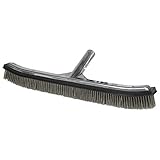
Brushing breaks up algae films and dead spots so sanitation and filtration work better.
View on Amazon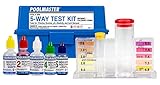
UV helps supplemental sanitation, but chlorine, pH, and alkalinity still need testing.
View on Amazon
A clean cartridge helps protect flow through UV equipment and clears cloudy water faster.
View on AmazonFAQ
Do I need to brush if I have a robotic pool cleaner?
Yes. Robots help with routine debris, but many miss corners, steps, ladders, seams, and low-flow areas where algae starts. Brushing still matters.
Should I brush before or after adding chlorine?
For routine maintenance, brushing before testing and dosing is useful because it exposes hidden debris. During algae treatment, brush before and after shocking when practical.
Why does dust come back after vacuuming?
You may be moving too fast, using a filter that is overloaded, dealing with dead algae, or seeing fine sediment pass through the system. Slow vacuuming and filter maintenance help.
Can brushing make cloudy water worse?
Temporarily, yes. Brushing suspends debris, so the water may look worse for a short time. Keep the pump running and clean the filter as pressure rises.
Does UV sanitation kill algae on pool walls?
UV treats water inside the chamber, not algae attached to walls or steps. You still need brushing, proper chlorine residual, good circulation, and balanced water.
Disclosure: This post contains Amazon affiliate links. As an Amazon Associate, UV Pool Filter may earn from qualifying purchases.