Cartridge Pool Filter Cleaning: Pressure, Pleats, and When to Replace It
| May 26, 2026
A cartridge filter can make a pool look polished when it is clean, but it can also quietly cause cloudy water when it is loaded, oily, or rinsed the wrong way. The tricky part is that a dirty cartridge does not always look dramatic from the outside. Sometimes the only clues are weak return flow, a pressure gauge that keeps climbing, and water that never quite sparkles.
This guide walks through when to clean a cartridge pool filter, how to rinse it without damaging the fabric, when to soak it, and when replacement makes more sense than another hour with the hose.
Use pressure, not the calendar
The best cleaning trigger is the filter pressure compared with your clean starting pressure. After a fresh cartridge cleaning, record the pressure with the pump running at your normal speed. That becomes your baseline.
Clean the cartridge when pressure rises about 20 to 25 percent above that clean number, or when return flow clearly drops. A monthly reminder is fine as a check-in, but pressure tells the truth better than a calendar.
What pressure rise actually means
As the cartridge catches dirt, pollen, sunscreen residue, dead algae, and fine debris, water has a harder time passing through the pleats. Pressure rises because the pump is pushing against more resistance.
A little dirt can actually improve fine filtration. Too much dirt cuts flow, weakens circulation, and can make the pool harder to sanitize. That is the point where the filter stops helping and starts holding the whole system back.
Signs your cartridge filter needs attention
- Filter pressure is 20 to 25 percent above clean pressure.
- Return jets feel weaker than normal.
- The pump basket struggles to stay fully primed.
- Water stays hazy after chemistry is corrected.
- The cartridge looks gray, oily, flattened, or packed between pleats.
- Pressure rises again quickly after a normal rinse.
If pressure is low instead of high, do not assume the filter is clean. Low pressure can point to a clogged skimmer basket, pump basket, suction leak, closed valve, or pump problem.
Remove the cartridge safely
Turn the pump off before opening the filter. Bleed air pressure from the tank using the air relief valve. Do not loosen the clamp or lid while the tank is pressurized. That is not a shortcut; it is how people get hurt.
Once pressure is released, open the filter housing, remove the cartridge, and inspect the tank o-ring. If the o-ring is dry, cracked, flattened, or stretched, deal with it before reassembly. A clean cartridge does not help much if the tank leaks after you close it.
Clear water starts with clean filtration and accurate doses
After filter flow is restored, chemistry corrections work faster. Pool Chemical Calculator helps estimate chlorine, shock, pH, alkalinity, stabilizer, salt, calcium, and other pool doses from actual test results instead of guesswork.
Use Pool Chemical Calculator online, download it for iPhone/iPad, or install the Android app.
Rinse between the pleats
Use a normal garden hose with a focused spray nozzle. Start at the top and work downward, spreading the pleats gently so water can push debris out instead of deeper into the fabric. Rotate the cartridge and repeat until the rinse water runs clear.
Avoid pressure washers. They can tear or fuzz the cartridge fabric, which shortens the life of the filter and can reduce filtration quality. A cartridge that looks “extra clean” after a pressure washer may actually be damaged.
If you need a cartridge cleaning wand, replacement o-rings, filter cleaner, or a spare cartridge, this pool cartridge filter cleaning supplies search on Amazon is a practical place to compare options.
When rinsing is not enough
Cartridges collect more than dirt. Sunscreen, body oils, lotions, pollen, and algae residue can cling to the fabric. If pressure comes back fast after rinsing, or the cartridge still feels greasy, soak it in a cartridge filter cleaning solution according to the label.
Do not acid wash a cartridge before degreasing it. Acid can set oils into the fabric and make the problem worse. Clean oils first. Only use acid if the manufacturer recommends it for scale, and only after the cartridge has been properly degreased and rinsed.

Check the cartridge for damage
While the cartridge is out, inspect it closely. Look for cracked end caps, torn bands, crushed pleats, holes, brittle fabric, or a loose center core. If debris can bypass the fabric, the filter cannot do its job no matter how carefully you clean it.
Also check whether the cartridge has become permanently stained and heavy. Staining alone is not always a reason to replace it, but a cartridge that never returns to normal pressure after a proper soak is usually near the end.
Reassemble without creating leaks
After cleaning, reinstall the cartridge in the correct orientation. Clean the tank sealing surfaces, lubricate the o-ring with pool-safe lubricant if the manufacturer calls for it, and tighten the clamp according to the filter instructions.
Open the air relief valve before restarting the pump. Start the system, let air bleed out, then close the valve once water sprays steadily. Watch for leaks around the clamp, lid, drain plug, and pressure gauge.
How often should you replace a cartridge?
There is no single replacement schedule that fits every pool. A lightly used screened pool may get several seasons from a cartridge. A sunny pool with trees, heavy swimming, sunscreen, and frequent algae cleanup can wear one out faster.
Replacement is usually smarter when the cartridge is torn, crushed, brittle, impossible to clean, or causing pressure to rise quickly after a proper soak. Keeping a spare cartridge on hand can also reduce downtime during pollen season or after a green pool cleanup.
Where UV and salt systems fit
UV sanitizers and salt chlorine generators still depend on good flow. A dirty cartridge can reduce water movement through the UV chamber and across a salt cell. That means filtration problems can look like sanitizer problems.
If your UV pool smells harsh, or your salt pool keeps showing low chlorine, check filter pressure and flow before blaming the UV lamp or salt cell. The equipment can only treat the water that reaches it.
A simple cartridge filter routine
- Record clean pressure after every full cleaning.
- Rinse when pressure rises 20 to 25 percent above clean pressure.
- Clean baskets before assuming the cartridge is clogged.
- Soak the cartridge when oils or fast pressure rise remain after rinsing.
- Inspect o-rings, pleats, end caps, and bands every time the filter is open.
- Replace damaged cartridges instead of trying to nurse them through another season.
Good cartridge maintenance is not glamorous, but it is one of the fastest ways to make pool chemistry easier. Strong flow, clean filtration, and accurate testing solve a lot of “mystery” water problems before they become expensive.
Recommended pool maintenance supplies
As an Amazon Associate, UV Pool Filter earns from qualifying purchases.
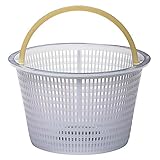
Keeps leaves and debris from starving the pump, filter, and UV chamber for water.
View on Amazon
Helps small particles clump so the filter can clear hazy water more efficiently.
View on Amazon
A clean cartridge helps protect flow through UV equipment and clears cloudy water faster.
View on AmazonFAQ
How often should I clean my cartridge pool filter?
Clean it when pressure rises about 20 to 25 percent above the clean starting pressure, or when return flow noticeably drops. Heavy pollen, storms, and algae cleanup can shorten the interval.
Can I use a pressure washer on a pool cartridge filter?
It is usually a bad idea. Pressure washers can damage the cartridge fabric and reduce filtration quality. A garden hose with a focused nozzle is safer.
Why does my filter pressure rise again right after cleaning?
The cartridge may be oily, scaled, worn out, undersized, or packed with fine debris from algae cleanup. It may need a proper soak or replacement.
Can a dirty cartridge filter cause cloudy water?
Yes. A dirty cartridge can reduce flow and circulation, making it harder for the filter and sanitizer to clear fine particles and organics.
Should I keep a spare cartridge filter?
For many pools, yes. A spare lets you swap quickly during heavy debris periods and soak the dirty cartridge properly without leaving the pool unfiltered.
Disclosure: This post contains Amazon affiliate links. As an Amazon Associate, UV Pool Filter may earn from qualifying purchases.