Pool Stabilizer and CYA: How to Stop Chlorine Loss Without Overdoing It
| May 24, 2026
Stabilizer is one of the most misunderstood pool chemicals because it helps and hurts at the same time. Too little cyanuric acid, or CYA, lets sunlight burn through chlorine fast. Too much CYA makes chlorine feel lazy, even when your test says there is plenty in the water.
If your pool loses chlorine every sunny afternoon, keeps getting algae on the shady wall, or needs more shock than it should, CYA deserves a real look. This guide explains how to manage stabilizer without turning clear water into a chemistry guessing game.
What CYA does in pool water
Cyanuric acid protects chlorine from the sun’s ultraviolet light. Without stabilizer, outdoor pool chlorine can disappear quickly on a bright day. With the right amount, chlorine lasts longer and has a fair chance to sanitize the whole pool.
The catch is that CYA also buffers chlorine. As stabilizer rises, you usually need a higher free chlorine level to get the same practical sanitation. That is why a pool can show “chlorine present” and still grow algae if CYA is too high for the chlorine level being maintained.
Why CYA creeps up over time
Most pools do not get high CYA from one big mistake. It creeps up through routine habits. Trichlor tablets, dichlor shock, and some multi-function products add stabilizer every time you use them. They are convenient, but the CYA stays behind after the chlorine is consumed.
Water evaporation does not lower CYA. When water evaporates, stabilizer remains in the pool. Splash-out, backwashing, draining, leaks, and rain overflow can lower it because water physically leaves the pool.
Common signs your stabilizer is off
- Low CYA: chlorine drops fast during sunny days, even when the pool looks clean.
- High CYA: algae keeps returning even though free chlorine is measurable.
- High CYA: shocking seems weak or takes much more chlorine than expected.
- Low or high CYA: chlorine readings swing wildly from morning to evening.
CYA is not the only possible cause of these symptoms, but it is one of the first numbers worth checking when chlorine behavior makes no sense.
Test CYA before adding more
Do not add stabilizer just because the pool store printout says the water is “low” unless you trust the test and understand the target. CYA tests can be a little subjective, especially the cloudy-dot style tests. Read the instructions carefully, use bright outdoor light, and repeat the test if the result seems odd.
If you use strips, treat the number as a quick screening result rather than gospel. For bigger decisions, such as adding a large stabilizer dose or draining water to lower CYA, use a reliable drop-style kit or confirm with a second test.
Calculate stabilizer and chlorine doses before you pour
CYA mistakes are expensive because stabilizer is easy to add and annoying to remove. Pool Chemical Calculator helps you estimate stabilizer, chlorine, shock, pH, alkalinity, salt, and calcium adjustments from actual test results.
Use Pool Chemical Calculator online, download it for iPhone/iPad, or get the Android app.
What CYA level should you aim for?
The right range depends on the pool, sanitizer method, and local conditions. Many manually chlorinated outdoor pools are kept around a moderate stabilizer level so chlorine has sun protection without becoming sluggish. Saltwater pools often run a little higher because the cell produces chlorine steadily during pump runtime.
Do not chase one universal number without context. A shaded pool in a mild climate does not behave like a full-sun pool in a hot backyard. The practical goal is simple: enough CYA to protect chlorine from sunlight, not so much that you cannot maintain an effective free chlorine level.
If you need CYA test reagents, stabilizer, liquid chlorine, or a better testing kit, this pool CYA testing and stabilizer supplies search on Amazon is a practical comparison starting point.
How to raise CYA safely
If testing confirms CYA is low, add stabilizer slowly and carefully. Granular cyanuric acid dissolves slowly, so do not broadcast it directly onto a vinyl liner or let it sit in one place. Follow the product directions. Many pool owners use the sock method: place stabilizer in a sock, hang it in front of a return, and squeeze it occasionally until dissolved.
Retest after it has fully dissolved and circulated. CYA may not show accurately right away, so avoid stacking dose after dose in the same afternoon. Overshooting the target is much more annoying than taking two smaller steps.

How to lower CYA when it is too high
There is no simple chemical trick that reliably makes high CYA vanish in a normal residential pool. The dependable fix is water replacement: drain and refill part of the pool, or use splash-out/backwash/rain overflow over time if the level is only a little high.
Be careful with draining. High groundwater, vinyl liners, fiberglass shells, and plaster conditions can make aggressive draining risky. If you are not sure, drain in smaller percentages or ask a pool professional before taking out a lot of water.
Tablets are useful, but track what they add
Trichlor tablets are not bad. They are convenient, slow-dissolving, and useful for vacations or steady chlorination. The problem is pretending they only add chlorine. They also add CYA and lower pH over time.
If tablets are your main chlorine source all season, test CYA regularly. When stabilizer gets high, switch to liquid chlorine, cal-hypo if appropriate for your calcium level, or a salt system maintenance plan until the CYA is back under control.
Where UV sanitation fits in
UV systems and CYA solve different problems. CYA protects chlorine from sunlight in the pool. UV sanitation treats water inside the UV chamber as it passes through. A UV system does not remove the need for a proper chlorine residual, and it does not fix high CYA.
If you have UV and still see algae, check CYA, free chlorine, pH, circulation, brushing, and filter performance. The UV unit may be helping, but wall algae and low-flow corners still need an effective sanitizer residual in the pool water.
A simple stabilizer routine
- Test CYA at opening, after major water replacement, and monthly during heavy tablet use.
- Use smaller stabilizer additions and retest before adding more.
- Track tablet use so CYA creep does not surprise you in July.
- Match free chlorine targets to the stabilizer level, not just the color block on a basic test kit.
- Use water replacement when CYA is truly too high.
When stabilizer is in the right range, chlorine behaves more predictably. When it is ignored, pool care gets weird fast: sunlight wins when CYA is low, and algae wins when CYA is too high for the chlorine level.
Recommended pool maintenance supplies
As an Amazon Associate, UV Pool Filter earns from qualifying purchases.
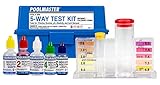
UV helps supplemental sanitation, but chlorine, pH, and alkalinity still need testing.
View on Amazon
Helps small particles clump so the filter can clear hazy water more efficiently.
View on Amazon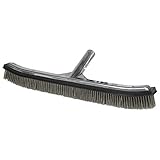
Brushing breaks up algae films and dead spots so sanitation and filtration work better.
View on AmazonFAQ
Does cyanuric acid lower chlorine?
CYA does not remove chlorine, but it binds and buffers chlorine. That protects it from sunlight while also changing how much free chlorine you need for effective sanitation.
Can I swim right after adding stabilizer?
Follow the product label. In general, keep the pump running, avoid undissolved granules on surfaces, and wait until the product is dissolved and the water is safe based on your sanitizer and pH readings.
Why is high CYA a problem?
High CYA can make chlorine less effective at normal free chlorine levels. The pool may show chlorine on a test and still struggle with algae or cloudy water.
Do chlorine tablets raise CYA?
Trichlor tablets and dichlor products add CYA. If you use them all season, stabilizer can climb unless water is replaced through backwashing, splash-out, draining, or overflow.
Will a UV pool system reduce CYA?
No. UV sanitation does not lower cyanuric acid. High CYA is managed mainly through water replacement and by changing which chlorine products you use going forward.
Disclosure: This post contains Amazon affiliate links. As an Amazon Associate, UV Pool Filter may earn from qualifying purchases.