Pool Opening Checklist: First 48 Hours for Clear Water and Safe Equipment
| May 23, 2026
Opening a pool is not just pulling the cover off and dumping in shock. The first 48 hours decide whether you get clear water quickly or spend the next week chasing cloudy water, clogged filters, and algae dust on the steps.
This checklist is built for a real backyard pool opening: get circulation restored, protect the equipment, test before adding too much chemical, and bring the water back without wasting money.
Start before the cover comes off
Before you uncover the pool, clear leaves, standing water, and debris from the cover. If dirty cover water spills into the pool, you are starting the season with an avoidable mess. A small cover pump and a soft broom can save hours of filtering later.
Walk the equipment pad before turning anything on. Look for cracked pump lids, missing drain plugs, loose unions, brittle o-rings, rodent damage, and valves that were left halfway open. A dry inspection is much easier than troubleshooting a leak while the pump is running.
Remove winter plugs and reinstall fittings
Take out return plugs, skimmer gizmos, and any winterizing devices. Reinstall return eyeballs, pump drain plugs, filter drain caps, pressure gauges, chlorinator fittings, heater plugs, UV sanitizer unions, and salt cell connections if they were removed.
Use pool-safe lubricant on o-rings instead of forcing dry fittings together. If an o-ring is flattened, cracked, or stretched, replace it now. A five-dollar seal can prevent a suction leak that ruins your first startup.
Fill the pool to the right level
Bring the water level to the middle of the skimmer opening before priming the pump. If the water is too low, the skimmer pulls air and the pump may not prime. If the water is too high, skimming performance is weak and surface debris hangs around.
Do not worry if the water looks dull at this stage. You have not filtered, balanced, or brushed yet. The goal is to set the system up so the water can actually recover.
Prime the pump and check flow
Open the correct valves, fill the pump basket with water, secure the lid, and start the pump. Watch the lid and return jets. A healthy startup should pull water into the pump basket, push air out of the returns, and settle into steady flow.
If the pump does not prime within a couple of minutes, shut it off and troubleshoot. Check the water level, pump lid o-ring, pump drain plugs, skimmer basket, valve positions, and suction-side unions. Running a dry pump is a fast way to damage seals.
Record the clean filter pressure
Once flow is steady, note the filter pressure. If this is the first run after cleaning or backwashing, that number becomes your clean starting pressure for the season. Write it down. You will clean or backwash when pressure rises about 20 to 25 percent above that point.
Opening debris can load a filter quickly. Cartridge filters may need a rinse after the first day. Sand and DE filters may need backwashing sooner than normal. That is not failure; it is the filter doing its job.
Balance opening chemicals without guessing
Pool opening is when bad dose math gets expensive. Pool Chemical Calculator helps you calculate chlorine, shock, pH, alkalinity, stabilizer, salt, calcium, and other adjustments from your actual test results.
Use Pool Chemical Calculator online, download it for iPhone/iPad, or install the Android app.
Test before you shock
It is tempting to shock immediately, but test first. At minimum, check free chlorine, pH, total alkalinity, and stabilizer. If you have a salt pool, test salt too. If the water is cloudy or green, also check combined chlorine and consider phosphates only after the basics are corrected.
Opening pH matters. High pH makes chlorine less effective, while very low pH can be rough on equipment and surfaces. Get pH into a workable range before relying on chlorine to clean up the pool.
If you need startup supplies, replacement baskets, test strips, o-rings, or filter cleaner, this pool opening supplies search on Amazon is a useful place to compare options.
Brush everything before expecting clear water
Brush walls, steps, ladders, corners, light niches, and the waterline. Even if the pool does not look green, a thin film can sit on surfaces after winter. Brushing breaks it loose so chlorine and filtration can deal with it.
Vacuum visible debris slowly. If there is heavy leaf sludge on the floor, remove as much as possible with a leaf rake before vacuuming. Forcing piles of debris through the system can clog the pump basket and filter fast.

Run the pump longer for the first 48 hours
During opening, the pool needs more circulation than it will need later in the season. Run the pump continuously or close to it for the first day or two, especially if the water is cloudy. Watch pressure, clean baskets often, and brush again after the first chlorine treatment.
If you use a UV sanitizer, confirm the lamp is on, the controller is not alarming, and water is moving through the chamber. UV can support cleanup, but only the water passing through the unit gets exposed.
Do not turn on the salt system too early
Salt chlorine generators work best when the water is warm enough and salt is in range. Many cells reduce output or stop producing in cold water. Test salt before adding more. Salt does not disappear quickly, and over-salting is harder to fix than being a little low.
If the pool needs a big cleanup, use liquid chlorine or shock to get ahead of the problem, then let the salt system maintain the residual once the water is clear and balanced.
A practical opening order
- Clean debris and water off the cover.
- Remove plugs and reinstall fittings.
- Fill water to mid-skimmer.
- Inspect pump, filter, heater, UV, valves, and unions.
- Prime the pump and confirm strong return flow.
- Record clean filter pressure.
- Test pH, alkalinity, chlorine, stabilizer, and salt if needed.
- Adjust pH and alkalinity before major chlorine cleanup.
- Brush, vacuum, and run the pump longer than normal.
- Retest the next day before adding more chemicals.
The key is patience with feedback. Test, adjust, circulate, filter, brush, and retest. Randomly stacking products into cold opening water is how pools get cloudy, foamy, or expensive.
Recommended pool maintenance supplies
As an Amazon Associate, UV Pool Filter earns from qualifying purchases.
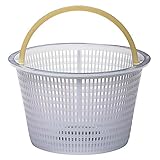
Keeps leaves and debris from starving the pump, filter, and UV chamber for water.
View on Amazon
A clean cartridge helps protect flow through UV equipment and clears cloudy water faster.
View on Amazon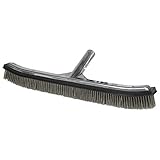
Brushing breaks up algae films and dead spots so sanitation and filtration work better.
View on AmazonFAQ
Should I shock my pool as soon as I open it?
Test first. If pH is way out of range, chlorine will not work as well. Balance pH into a reasonable range, remove debris, start circulation, then shock based on the water condition and test results.
How long should I run the pump after opening the pool?
For the first 24 to 48 hours, run it continuously or close to continuously while you filter debris and balance chemistry. After the water clears, move back to a normal seasonal schedule.
Why is my filter pressure rising so fast after opening?
Opening water often contains fine dirt, pollen, dead algae, and cover debris. The filter may load quickly at first. Clean or backwash when pressure rises 20 to 25 percent above clean starting pressure.
Can I start my salt chlorine generator right away?
Only if water temperature and salt level are in the cell’s operating range. For a dirty opening, it is often better to clean up with liquid chlorine first, then use the salt system for maintenance.
Does a UV system help when opening a pool?
It can help once circulation is restored, but it does not replace brushing, filtration, chlorine residual, or balanced pH. UV only treats water moving through the chamber.
Disclosure: This post contains Amazon affiliate links. As an Amazon Associate, UV Pool Filter may earn from qualifying purchases.