UV Pool Sanitizer Troubleshooting: Cloudy Water, Chlorine Smell, and Lamp Checks
| May 22, 2026
A UV pool system is a quiet piece of equipment, so it is easy to assume it is working as long as the pump turns on. But UV only helps when enough water moves through the chamber, the lamp is still producing useful output, and the rest of the pool chemistry is not fighting against it.
If your pool has a UV sanitizer and still gets cloudy, smells harsh, or needs constant shocking, this checklist will help you separate normal maintenance from a real equipment problem.
What a UV pool sanitizer actually does
UV sanitation exposes moving pool water to ultraviolet light inside a sealed chamber. That light can help inactivate many microorganisms as water passes through the unit. It can also help reduce chloramines, which are the compounds that cause the “strong chlorine” smell around some pools.
What UV does not do is leave a sanitizer residual in the pool. Your water still needs the right free chlorine level, balanced pH, and enough circulation. UV is a support system. It is not a magic replacement for testing.
Start with the three things UV depends on
Before blaming the UV unit, check the conditions it needs to work well:
- Flow: water must pass through the chamber at the correct rate.
- Lamp output: UV lamps weaken over time even when they still glow.
- Clear water path: scale, dirty quartz sleeves, and debris can block UV exposure.
A pool can have a working UV light and still perform poorly if the filter is dirty, the pump schedule is too short, or the sleeve around the lamp is coated with scale.
Symptom: the water is cloudy even with UV running
Cloudy water is usually a circulation, filtration, or chemistry issue before it is a UV issue. UV can help with sanitation, but it does not physically remove fine particles. That job belongs to the filter.
Check filter pressure against the clean starting pressure. Empty baskets. Brush the pool. Confirm strong return flow. Then test chlorine, pH, alkalinity, and stabilizer. If pH is high or chlorine is low, UV will not save the water from turning dull.
Dial in the chemistry before chasing equipment ghosts
UV systems work best when the basics are under control. Pool Chemical Calculator helps you calculate exact doses for chlorine, pH, alkalinity, stabilizer, salt, calcium, and shock so you are not guessing in the equipment room.
Use Pool Chemical Calculator online, install it on iPhone/iPad, or get the Android app.
Symptom: the pool still smells like chlorine
A harsh chlorine smell usually points to chloramines, not “too much chlorine.” UV can help break down chloramines, but only if water is moving through the chamber long enough and the lamp is still effective.
If the smell keeps coming back, look at bather load, combined chlorine, pH, and pump runtime. Heavy swim days may still require oxidation or shocking. UV reduces the workload, but it does not erase sunscreen, sweat, leaves, pollen, and rainwater overnight.
If you need test strips, a drop kit, replacement UV lamp, or sleeve-cleaning supplies, this pool UV maintenance supplies search on Amazon is a practical starting point.
Check the UV lamp age
The most common UV mistake is waiting until the lamp fails completely. Many UV lamps need replacement after a rated number of operating hours, often around one pool season depending on the model and schedule. The lamp may still glow blue while producing less germicidal UV than it should.
Look for a label on the unit, a digital hour counter, or the install date in your maintenance notes. If you do not know the lamp age, write today’s date on the equipment pad after replacement so next year is obvious.

Clean the quartz sleeve carefully
Most UV pool systems use a clear quartz sleeve between the lamp and the water. If that sleeve gets coated with calcium scale, iron, biofilm, or dirt, UV light cannot reach the water as effectively.
Turn off power, isolate the unit if needed, and follow the manufacturer’s instructions before opening anything. Handle the sleeve gently. It is usually glass-like and can crack if forced. Use the recommended cleaner, rinse it well, and replace seals if they are worn or flattened.
Confirm the pump schedule matches the UV goal
UV only treats water while the pump is moving water through the unit. If you shortened runtime to save electricity and then noticed more odor or cloudy water, the schedule may be too aggressive.
Variable-speed pumps make this easier. A longer low-speed run can keep water moving through the UV system, improve skimming, and reduce dead spots without the cost of running high speed all day. Just make sure the flow is still within the UV manufacturer’s required range.
When to call the UV unit suspect
After chemistry, filtration, and runtime are corrected, the UV system itself becomes more likely if you see these signs:
- The lamp is past its rated life or the hour counter is maxed out.
- The sleeve is scaled or cloudy.
- The ballast or controller shows an alarm.
- There is a leak around the sleeve nut or chamber seal.
- The unit was installed in a bypass line with poor flow.
Do not ignore electrical warnings or water leaks around UV equipment. Shut the system down safely and use a qualified pool technician if the repair involves wiring, wet equipment, or pressure plumbing you are not comfortable opening.
A simple monthly UV pool checklist
- Test and record free chlorine, combined chlorine, pH, alkalinity, and CYA.
- Check pump baskets, skimmer pull, and return strength.
- Record filter pressure and clean the filter when pressure rises 20 to 25 percent.
- Inspect the UV controller for alarms or lamp-hour warnings.
- Look for leaks, condensation, or scale around the UV chamber.
- Confirm the pump schedule still fits the season and swimmer load.
Recommended pool maintenance supplies
As an Amazon Associate, UV Pool Filter earns from qualifying purchases.
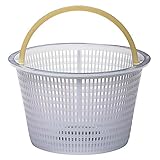
Keeps leaves and debris from starving the pump, filter, and UV chamber for water.
View on Amazon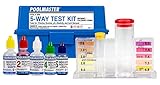
UV helps supplemental sanitation, but chlorine, pH, and alkalinity still need testing.
View on Amazon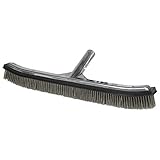
Brushing breaks up algae films and dead spots so sanitation and filtration work better.
View on AmazonFAQ
Can I use less chlorine if I have a UV pool system?
Sometimes UV can reduce chlorine demand, but you still need a proper free chlorine residual in the pool. Follow your pool type, local code if applicable, and test results instead of dropping chlorine blindly.
How often should a pool UV lamp be replaced?
Follow the manufacturer’s rated hours. Many residential pool UV lamps are replaced about once per season, but the exact timing depends on the model and pump runtime.
Why does my UV pool still get algae?
UV only treats water passing through the chamber. Algae can grow on walls, steps, ladders, and low-flow areas if chlorine is low, pH is high, brushing is skipped, or circulation is weak.
Can a dirty quartz sleeve make UV less effective?
Yes. Scale or film on the sleeve blocks UV light from reaching the water. Cleaning the sleeve is one of the most important UV maintenance tasks.
Should the UV system run every time the pump runs?
In most residential setups, yes. The UV system normally works with pump circulation, but always follow the equipment manual for flow rate, bypass settings, and safety requirements.
Disclosure: This post contains Amazon affiliate links. As an Amazon Associate, UV Pool Filter may earn from qualifying purchases.