UV Pool Troubleshooting: Low Output, Warning Lights, and Cloudy Water
| June 27, 2026
A UV pool system is easy to blame when water turns cloudy or the controller starts flashing a warning. Sometimes the UV unit is the problem. Other times the lamp is fine and the real issue is low flow, a dirty filter, weak sanitizer, or a chemistry imbalance that UV was never meant to fix by itself.
Use this troubleshooting sequence before buying parts. It separates UV equipment problems from normal pool-care problems so you can fix the right thing first.
Affiliate disclosure: As an Amazon Associate, UV Pool Filter may earn from qualifying purchases through links on this page.
Start with the warning light or display code
If your UV sanitizer has a controller, write down the exact alert before resetting anything. Common warnings point to lamp age, ballast faults, missing flow, high chamber temperature, or a door/interlock problem. The manual matters here because different brands use different codes for similar symptoms.
Do not keep clearing the same warning without finding the cause. A UV lamp that will not start, a ballast that clicks repeatedly, or a flow alarm that returns after every restart needs diagnosis, not wishful thinking.
Check the water before replacing UV parts
Cloudy water is often a chemistry or filtration problem first. Test free chlorine, combined chlorine, pH, alkalinity, stabilizer, calcium hardness, and filter pressure before deciding the UV system has failed.
Download Pool Chemical Calculator for iPhone/iPad
Download Pool Chemical Calculator for Android
Use the pool calculator website
Confirm strong water flow through the chamber
UV treatment depends on water passing through the chamber at the right rate. If the pump is starved, the filter is dirty, valves are partly closed, or the bypass is misadjusted, the system may show a flow warning or deliver poor exposure.
- Check filter pressure: A pressure rise after cleaning baseline usually means the filter needs service.
- Check return flow: Weak returns can point to pump, skimmer, valve, or filter restriction problems.
- Check bypass valves: Too much bypass can starve the UV chamber; too little can exceed recommended flow.
- Check trapped air: Air pockets can reduce exposure and trigger sensor issues after service.
Inspect the lamp and quartz sleeve
A UV lamp can still glow while producing less useful UV output than it did when new. That is why most systems use an hour counter or annual replacement schedule. If the lamp is past its service life, replace it before assuming the ballast or controller has failed.
The quartz sleeve matters just as much. Scale, biofilm, fingerprints, or cloudy deposits on the sleeve block UV energy from reaching the water. Clean it according to the manufacturer instructions and replace seals that look flattened, cracked, or swollen.

Separate cloudy water from UV failure
UV can help reduce some microorganisms as water passes through the chamber, but it does not leave a sanitizer residual in the pool. If free chlorine is low, pH is high, stabilizer is out of range, or the filter is overloaded, the pool can still look dull even when the UV unit is operating.
Clear the basics first: balance the water, clean or backwash the filter, brush surfaces, remove debris, and maintain a proper sanitizer level. If the water improves while the UV warning remains, you may have two separate issues.
When replacement parts make sense
Replace the lamp when it is at the end of its rated life, when the controller reports lamp failure, or when it will not start after basic checks. Consider ballast or controller service if a known-good lamp still will not run, the unit trips protection, or alerts return immediately after reset.
Shut the system down and call a qualified technician if you see water inside electrical areas, burned wiring, repeated breaker trips, cracked chamber parts, or leaks around the sleeve. Those are stop-and-repair problems.
Recommended pool maintenance supplies
As an Amazon Associate, UV Pool Filter earns from qualifying purchases.

A clean cartridge helps protect flow through UV equipment and clears cloudy water faster.
View on Amazon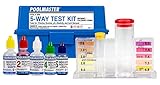
UV helps supplemental sanitation, but chlorine, pH, and alkalinity still need testing.
View on Amazon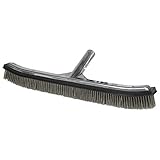
Brushing breaks up algae films and dead spots so sanitation and filtration work better.
View on AmazonFAQ
Why is my UV pool system showing a warning light?
A warning light can point to lamp age, lamp failure, ballast trouble, missing flow, overheating, or a sensor/interlock issue. Record the exact code and compare it with the manual before resetting the unit.
Can a UV lamp glow but still be weak?
Yes. A lamp can visibly light while producing less effective UV output than a new lamp. Follow the rated lamp-life schedule instead of judging performance by visible glow alone.
Will a UV system clear cloudy pool water by itself?
No. UV supports treatment inside the chamber, but cloudy water usually requires proper sanitizer, balanced pH, good filtration, brushing, and debris removal.
What should I check before replacing a UV ballast?
Check lamp age, lamp connection, quartz sleeve condition, flow, moisture intrusion, and the exact controller alert. A bad lamp or poor connection can look like a ballast problem.