UV Pool Startup Checklist: Prime, Flow, and Chemistry Checks After Service
| June 29, 2026
Starting a pool after equipment service is when small UV system mistakes are easiest to miss. A valve left half closed, air trapped in the chamber, a dirty filter, or water chemistry that drifted during downtime can make a good UV unit look like it is underperforming.
Use this UV pool startup checklist after lamp replacement, quartz sleeve cleaning, plumbing work, pump service, filter cleaning, or any shutdown that changed flow through the equipment pad.
Affiliate disclosure: As an Amazon Associate, UV Pool Filter may earn from qualifying purchases through links on this page.
Confirm the equipment pad is ready before powering the UV unit
Do not treat the UV sanitizer as the first thing to turn on. Start with the circulation system. Confirm the pump basket is full, the lid o-ring is seated, drain plugs are tight, unions are snug, and valves are open to the correct positions.
If the UV unit has a bypass, return it to the normal operating position before judging performance. A bypass that was opened for service can send too little water through the chamber, while a closed bypass on some systems can push more flow than the manufacturer recommends.
Balance the water before blaming the UV system
UV supports sanitation inside the chamber, but clear pool water still depends on sanitizer residual, pH, alkalinity, stabilizer, calcium hardness, and filter performance. Test and adjust the basics after service.
Download Pool Chemical Calculator for iPhone/iPad
Download Pool Chemical Calculator for Android
Use the pool calculator website
Prime the pump and purge air from the UV chamber
Air pockets can reduce exposure, create flow alarms, and make the system noisy after service. Let the pump prime completely, open the filter air relief if your filter has one, and watch the returns until the flow is steady.
- Check the pump basket: A swirling basket or large air pocket points to suction-side air or low water level.
- Watch filter pressure: Pressure should return near its clean baseline after a proper cleaning or backwash.
- Inspect unions and o-rings: A tiny suction leak can create bubbles that travel through the UV chamber.
- Listen for flow changes: Surging, rattling, or repeated flow warnings should be fixed before normal operation.
Verify flow through the UV sanitizer
UV exposure depends on the relationship between lamp output and flow rate. After service, confirm that valves, check valves, and bypass settings are exactly where they should be. If the system has a flow switch or controller display, make sure it reports normal flow before leaving the pad.
For variable-speed pumps, do not assume the previous low-speed schedule still works after plumbing or filter changes. A freshly cleaned filter may change pressure enough that you should re-check the minimum speed needed for stable UV operation and skimmer action.

Check lamp, sleeve, and controller status
After a lamp or sleeve service, confirm the lamp connector is fully seated, the sleeve is dry on the electrical side, and the seals are not pinched. Turn the unit on only after the chamber is full of water and normal flow is established.
If the controller has an hour counter, service reminder, or reset procedure, follow the manual instead of guessing. A new lamp with an old reminder left active can create confusion later, and a reset without the actual service being done can hide overdue maintenance.
Run the pool long enough to stabilize
After equipment work, give the pool a full circulation cycle and then re-test. Brush the walls, empty baskets, clean visible debris, and keep free chlorine in range. UV is not a replacement for the sanitizer residual that protects the water between passes through the chamber.
If the water is cloudy after startup, separate the causes: flow first, filter condition second, chemistry third, and UV equipment status fourth. That order prevents unnecessary parts purchases.
Recommended pool maintenance supplies
As an Amazon Associate, UV Pool Filter earns from qualifying purchases.
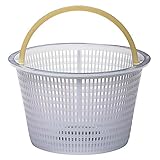
Keeps leaves and debris from starving the pump, filter, and UV chamber for water.
View on Amazon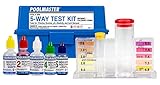
UV helps supplemental sanitation, but chlorine, pH, and alkalinity still need testing.
View on Amazon
A clean cartridge helps protect flow through UV equipment and clears cloudy water faster.
View on AmazonFAQ
Should the UV pool system run before the pump is fully primed?
No. Establish steady water flow first. Running a UV chamber with poor flow or trapped air can trigger alarms and may expose the system to unnecessary heat.
What should I test after UV pool equipment service?
Test free chlorine, combined chlorine, pH, alkalinity, stabilizer, calcium hardness, and filter pressure. Those readings tell you whether the pool is ready for normal operation.
Why does my UV unit show a flow warning after maintenance?
Common causes include closed valves, a bypass left in service position, a dirty filter, low pump speed, trapped air, or a flow switch that needs inspection.
Do I need to reset the UV lamp timer after replacing the lamp?
Usually yes, but follow the manufacturer procedure. Resetting the timer without replacing the lamp can hide an overdue lamp, while forgetting to reset it after service can create false reminders.