UV Pool Equipment Pad Drainage Checks: Keep Floodwater Away Before Flow and Power Fail
| August 29, 2026
Disclosure: As an Amazon Associate, UV Pool Filter may earn from qualifying purchases through links that use the pooluv1-20 affiliate tag.
An equipment pad that drains poorly can turn a normal storm into a UV pool problem. Standing water around the pump, filter, heater, salt cell, and UV controller invites corrosion, nuisance trips, mud splash, and unstable circulation. The fix is not glamorous, but it is one of the easiest ways to protect flow before the sanitizer starts acting inconsistent.
Walk the pad after heavy rain and look at where water collects. If puddles are touching conduit, pump feet, controller boxes, unions, or the UV chamber support, correct the drainage before the next storm. Then use the Pool Chemical Calculator, iPhone app, or Android app to confirm chlorine, pH, alkalinity, calcium hardness, and stabilizer after the pool has circulated.
What to inspect after rain
- Check whether water drains away from the equipment pad instead of toward the pump motor or UV controller.
- Look for mud lines, mulch, leaves, or sand packed around the pump base and plumbing supports.
- Make sure electrical boxes, conduit fittings, timers, and UV ballasts are dry and mounted above splash zones.
- Verify the pump basket stays full and the return jets remain strong after the storm passes.
- Clear nearby channel drains, gravel borders, and low spots that let water sit beside the pad.

Why drainage matters for UV systems
UV sanitizers rely on steady circulation and dry, reliable controls. Flooded soil can shift equipment supports, stress unions, and pull the plumbing slightly out of alignment. Even small movement can create suction-side air leaks, pressure-side drips, or flow-switch interruptions that look like a lamp or ballast problem at first glance.
Water around electrical components is a bigger warning sign. Do not open wet control boxes or reset tripped breakers while standing near pooled water. Let the area dry, shut power off safely, and call a qualified pool professional or electrician when electrical parts have been splashed, submerged, or repeatedly tripping.
Simple fixes that usually help
Start by removing debris that blocks runoff. Rake mulch back from the pad, clear drain grates, and restore a slight slope away from the equipment. If the pad sits in a low pocket, adding compacted gravel around the perimeter can reduce splashback and help surface water move away faster.
After the pad dries, inspect unions, valves, pump plugs, and the UV chamber connections for new leaks. Let the system run long enough to purge air, then test water chemistry. Rain can dilute sanitizer and shift pH, so calculate chemical adjustments from fresh test results instead of guessing.
Recommended pool maintenance supplies
As an Amazon Associate, UV Pool Filter earns from qualifying purchases.
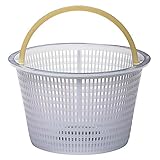
Keeps leaves and debris from starving the pump, filter, and UV chamber for water.
View on Amazon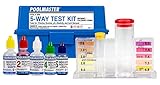
UV helps supplemental sanitation, but chlorine, pH, and alkalinity still need testing.
View on Amazon
A clean cartridge helps protect flow through UV equipment and clears cloudy water faster.
View on AmazonFrequently Asked Questions
Can poor equipment pad drainage hurt UV pool performance?
Yes. Standing water can promote corrosion, shift plumbing supports, and lead to air leaks or electrical issues that reduce steady flow through the UV chamber.
Should I reset a tripped UV controller after a flooded pad?
Do not reset wet electrical equipment while standing near pooled water. Shut power off safely and have the controller, outlet, conduit, and bonding checked if water reached electrical parts.
What should I test after stormwater reaches the pool equipment area?
Check circulation first, then test free chlorine, pH, alkalinity, calcium hardness, and stabilizer. Use fresh readings before calculating any chemical additions.