UV Pool Chemical Feeder Lid O-Ring Checks: Stop Air Leaks Before Flow Drops
| August 28, 2026
Disclosure: As an Amazon Associate, UV Pool Filter may earn from qualifying purchases through links that use the pooluv1-20 affiliate tag.
A chemical feeder lid that pulls air is easy to overlook because the leak may never drip water. The pump is under suction, the lid seal dries out, and tiny bubbles can move through the plumbing until the UV chamber sees weaker, less consistent flow.
That matters because UV sanitizing depends on steady circulation. Before blaming the lamp, ballast, or controller, inspect the feeder lid O-ring and the nearby unions. Then use the Pool Chemical Calculator to confirm chlorine, pH, alkalinity, calcium hardness, and stabilizer are still where they should be.
What to check first
- Shut off the pump before opening the feeder or touching any chemical residue.
- Wear gloves and eye protection, especially around tablet feeders and chlorinator lids.
- Remove the O-ring, wipe the groove clean, and look for flattening, cracks, swelling, or grit.
- Use pool-safe silicone lubricant only; petroleum products can damage rubber seals.
- Restart the pump and watch the pump lid, feeder lid, and return jets for new bubbles.

Why this protects UV performance
Air in the plumbing can lower the real flow rate even when the filter gauge looks acceptable. The UV chamber needs the right contact time and a full water path around the quartz sleeve, so a small suction leak can create outsized sanitizing problems.
If bubbles disappear after cleaning and lubricating the lid seal, let the system circulate long enough to stabilize. Recheck free chlorine and pH with fresh test results, then run the numbers through the Pool Chemical Calculator before adding more chemicals.
When to replace the seal
Replace the O-ring if it feels stretched, hard, sticky, flattened on one side, or too loose to stay seated in the groove. A cheap seal is usually a better fix than overtightening the lid, which can warp plastic threads and make the next leak harder to solve.
Recommended pool maintenance supplies
As an Amazon Associate, UV Pool Filter earns from qualifying purchases.
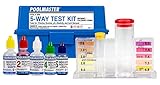
UV helps supplemental sanitation, but chlorine, pH, and alkalinity still need testing.
View on Amazon
UV does not replace a measurable sanitizer residual in the pool water.
View on Amazon
A clean cartridge helps protect flow through UV equipment and clears cloudy water faster.
View on AmazonFrequently Asked Questions
Can a chemical feeder lid O-ring affect UV pool flow?
Yes. A leaking feeder lid can pull air into the circulation system, which can reduce steady flow through the UV chamber and make sanitizing less consistent.
Should I lubricate a pool chlorinator O-ring every time?
Use a thin coat of pool-safe silicone lubricant when the seal is clean and undamaged. Too much lubricant can trap grit, so wipe away excess before closing the lid.
What if bubbles continue after replacing the feeder lid seal?
Check nearby unions, drain plugs, pump lid seals, valve stems, and water level. Persistent air usually means another suction-side leak is still open.