UV Pool Winter Cover Pump Checks: Keep Rainwater and Debris Out Before Chemistry Drifts
| September 9, 2026
Disclosure: As an Amazon Associate, UV Pool Filter may earn from qualifying purchases through links that use the pooluv1-20 affiliate tag.
A winter cover protects the pool, but the cover pump quietly decides how much rainwater, leaf tea, and fine debris ends up slipping into the water before opening day. In a UV pool, that matters because diluted stabilizer, drifting pH, and extra organic load can make the sanitizer work harder long before the UV chamber ever gets a chance to help.
Check the cover pump after storms and during freeze-thaw stretches. Test the water when you can safely reach an opening, then use the Pool Chemical Calculator, iPhone app, or Android app to correct chlorine, pH, alkalinity, calcium hardness, and stabilizer from measured results instead of guessing.
When cover pump checks matter most
- After heavy rain, snow melt, or several days of standing water on the cover.
- When the pump runs but leaves puddles around leaves, seams, or low spots.
- Before adding chemicals through a winter opening or early spring service visit.
- When the pool water looks tea-colored, cloudy, or unusually low after the cover is pulled back.
- Before blaming the UV lamp, filter, or sanitizer demand during spring startup.

How cover water affects UV pool startup
UV systems do not replace circulation, filtration, or a measurable sanitizer residual. If dirty cover water spills into the pool, the filter has to catch the debris and the sanitizer has to oxidize the load before the UV chamber can help polish what passes through it. That can make a normally simple opening feel like a chemistry problem.
A working cover pump reduces that burden. It keeps weight off the cover, lowers the chance of contaminated water dumping into the pool, and helps prevent stretched anchors, torn seams, and sagging edges that let debris sneak underneath.
A practical cover pump routine
Clear leaves from the pump intake, confirm the discharge hose drains away from the pool, and make sure the cord and GFCI-protected outlet stay dry and undamaged. If the pump has an automatic float, lift it gently to confirm it starts and stops without sticking.
After storms, look for low pockets the pump cannot reach and move it only when the cover is stable. Never walk onto a pool cover. If water has already spilled into the pool, run the pump and filter long enough to restore circulation before making chemical corrections.
Recommended pool maintenance supplies
As an Amazon Associate, UV Pool Filter earns from qualifying purchases.
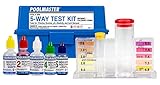
UV helps supplemental sanitation, but chlorine, pH, and alkalinity still need testing.
View on Amazon
A clean cartridge helps protect flow through UV equipment and clears cloudy water faster.
View on Amazon
UV does not replace a measurable sanitizer residual in the pool water.
View on AmazonFrequently Asked Questions
Does a winter cover pump help UV pool water?
Yes. It keeps dirty rainwater and debris from entering the pool, which reduces organic load before circulation and UV treatment restart.
How often should I check a pool cover pump?
Check it after heavy rain, snow melt, windstorms, and any time standing water remains on the cover for more than a day.
Can I add chemicals before removing the winter cover?
Only add chemicals when you can test safely, circulate the water, and follow product directions. Guessing under a covered pool can create staining, scaling, or unsafe water.