Need Pool Chlorine? Start With This Simple Sanitizer Checklist
| March 6, 2019
Buying pool chlorine should not feel like scrolling through an abandoned product feed. The smarter move is to understand which type of chlorine fits your pool, how it affects water balance, and how to dose it without wasting money.
Make the numbers easy before you buy chemicals
Before you add chlorine, pH adjuster, stabilizer, or algaecide, test the water and calculate the dose. The free Pool Chemical Calculator helps you avoid guessing and overcorrecting.
Download on iPhone | Get it on Android | Use PoolChemicalCalculator.com
A smarter chlorine checklist for home pool owners
Chlorine keeps pool water sanitary by oxidizing organic waste and killing algae and bacteria. The problem is that different chlorine products behave differently. Trichlor tablets add stabilizer and lower pH over time. Cal-hypo shock adds calcium. Liquid chlorine raises chlorine quickly but has a shorter shelf life. Saltwater pools generate chlorine too, but they still require testing and occasional manual support.
Choose chlorine by job
Daily maintenance
For many pools, tablets in a floater or feeder provide steady chlorine, but they should not be the only strategy forever because stabilizer can creep up.
Fast correction
Liquid chlorine or granular shock can quickly raise free chlorine after storms, parties, or early algae. Always follow the product label and calculate the dose based on pool volume.
Saltwater support
A salt pool still needs free chlorine in range. If the salt cell is scaled, undersized, or running too low, the water can turn cloudy even though the system says it is generating.
What to look for before ordering
Check active ingredient, package size, shelf life, and whether the product changes calcium or stabilizer. You can compare current supplies through Amazon pool chlorine listings, then run the numbers before adding anything.
Weekly chlorine checklist
- Test free chlorine and combined chlorine.
- Check pH because chlorine works better in balanced water.
- Brush dead zones and keep the pump schedule consistent.
- Shock only when testing or conditions justify it.
- Store chlorine dry, cool, and away from incompatible chemicals.
Avoid the expensive mistake
More chlorine is not always the answer. If stabilizer is too high, chlorine can read present but act weak. If pH is high, sanitizer works slower. If algae is already established, you need brushing, filtration, and sustained chlorine, not just one random bag of shock.
Recommended pool maintenance supplies
As an Amazon Associate, UV Pool Filter earns from qualifying purchases.
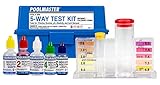
UV helps supplemental sanitation, but chlorine, pH, and alkalinity still need testing.
View on Amazon
A clean cartridge helps protect flow through UV equipment and clears cloudy water faster.
View on Amazon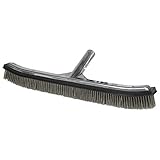
Brushing breaks up algae films and dead spots so sanitation and filtration work better.
View on AmazonFrequently Asked Questions
How much chlorine should a pool have?
Many residential pools target 1 to 4 ppm free chlorine, but the right level depends on stabilizer/CYA, water temperature, sunlight, and bather load.
Are chlorine tablets and shock the same thing?
No. Tablets are usually for steady chlorination. Shock is used to raise sanitizer quickly after heavy use, algae pressure, or contamination.
Why does chlorine disappear so fast?
Sunlight, low stabilizer, high organic load, algae, warm water, and poor circulation can all burn through chlorine quickly.
Affiliate disclosure: As an Amazon Associate, this site may earn from qualifying purchases. Product links are suggestions for further research, not a substitute for testing your own pool water or following the product label.


