Pool Pump Air Leaks: Why Bubbles Show Up and How to Fix Prime Problems
| May 29, 2026
Air in the pool pump is one of those problems that looks small until it is not. A few bubbles under the lid may turn into weak returns, poor skimming, a pump that loses prime overnight, and cloudy water because circulation is not doing its job.
The good news: many pump air leaks are simple suction-side problems. The bad news: guessing can waste a lot of time. This checklist walks through the common causes in a practical order, from water level and baskets to pump lid seals, unions, valves, and plumbing.
What air in the pump usually means
If you see air under the clear pump lid, air is entering somewhere before the pump or at the pump lid itself. That area is called the suction side of the system. It includes the skimmer, main drain line if present, valves, unions, pump basket, pump lid, drain plugs, and plumbing before the pump.
Pressure-side leaks, after the pump, usually leak water out. Suction-side leaks often pull air in. That is why you can have a serious air problem without seeing a puddle.
Start with water level
The easiest fix is also the easiest to miss. If the water level is too low, the skimmer can pull a vortex of air into the line. The pump may run normally for a while, then suddenly churn with bubbles when the skimmer weir sticks or a wave drops the level.
Keep the water around the middle of the skimmer opening. If the pool recently lost water from backwashing, splash-out, evaporation, or vacuuming to waste, fill it before chasing plumbing problems.
Check the skimmer basket and weir door
A full skimmer basket can restrict flow enough to create turbulence and air. Empty it and make sure the weir door moves freely. A stuck weir door can block water from entering the skimmer and cause the pump to gulp air.
Also check whether a vacuum plate, skimmer sock, or automatic cleaner is starving the line. Restriction on the suction side can make small leaks show up more aggressively.
Clean the pump basket
Turn the pump off, open the lid, and clean the pump basket. Leaves, pine needles, hair, and small debris can reduce flow. Before closing the lid, fill the pump basket with water to help it prime.
When restarting, open the filter air relief valve if your filter has one. Let trapped air escape until water sprays steadily, then close it. Watch whether the pump basket fills completely or keeps collecting air.
Fix flow first, then balance the water
Low flow makes chemical corrections slower and less predictable. Once the pump is priming properly, Pool Chemical Calculator helps estimate chlorine, shock, pH, alkalinity, stabilizer, salt, calcium, and other pool adjustments from actual test results.
Use Pool Chemical Calculator online, download it for iPhone/iPad, or install the Android app.
Inspect the pump lid o-ring
The pump lid seal is one of the most common air leak points. Remove the o-ring, wipe it clean, inspect for cracks, flat spots, stretching, or grit, and clean the groove where it sits. A tiny leaf stem or sand grain can keep the lid from sealing.
Use pool-safe silicone lubricant if the manufacturer recommends it. Do not use petroleum grease. If the o-ring is damaged, replace it. Tightening the lid harder is not a real fix for a bad seal.
If you need pump lid o-rings, pool-safe lubricant, drain plug seals, or replacement baskets, this pool pump seal and priming supplies search on Amazon is a practical place to compare options.
Check pump drain plugs
Many pumps have one or two drain plugs at the bottom of the housing. If a plug is loose, missing a gasket, cracked, or wrapped poorly, it can pull air while the pump runs. Turn the pump off, inspect the plugs, and replace worn gaskets.
Do not overtighten plastic plugs. Cracking the housing or plug turns a small maintenance job into a bigger repair.

Look at unions and valves before the pump
Unions, valve lids, and threaded fittings before the pump can pull air if they are loose or have worn seals. Check the plumbing from the skimmer line to the pump inlet. Look for cracked fittings, loose union nuts, or valve lids with dried o-rings.
A quick trick is to run water gently over a suspected suction-side fitting while the pump is running. If bubbles under the pump lid suddenly improve, you may have found the leak. Be careful around electrical equipment and do not flood the pad.
When bubbles at the returns matter
A few bubbles right after startup can be normal while air clears from the filter tank. Constant bubbles from the returns are different. They usually mean the pump is pulling air, the filter is not fully bled, or a suction-side leak remains.
If you have a solar heater, water features, or a raised spa, some air movement may happen during valve changes. But steady return bubbles during normal pool mode deserve troubleshooting.
How air leaks hurt water quality
Air leaks reduce circulation and can make the pump lose prime. Weak flow means poorer skimming, less filtration, reduced heater performance, lower UV chamber flow, and less consistent salt cell production. In other words, an air leak can look like a chemistry problem.
If the pool is cloudy and the pump is not moving water properly, fix the flow first. Then retest and adjust chemistry. Chemicals work better when water is actually circulating.
When to call a pro
Call a pool technician if the pump will not prime after basic checks, if you suspect underground suction plumbing, if fittings are cracked, if valves need rebuilding, or if the pump seal area is leaking water. Also get help if electrical components are wet or the equipment pad is unsafe.
A persistent suction leak can overheat a pump and damage seals. Do not let it run dry while you hope it sorts itself out.
A practical pump air leak checklist
- Raise water to mid-skimmer.
- Empty skimmer and pump baskets.
- Confirm the skimmer weir moves freely.
- Fill the pump basket with water and restart.
- Bleed air from the filter tank.
- Clean, lubricate, or replace the pump lid o-ring.
- Inspect pump drain plugs and gaskets.
- Check suction-side unions, valves, and fittings.
- Watch return bubbles after the system has run for several minutes.
Most air leaks are not mysterious once you work from the pool toward the pump. Start simple, verify each step, and do not skip the o-rings. They cause more headaches than they get credit for.
Recommended pool maintenance supplies
As an Amazon Associate, UV Pool Filter earns from qualifying purchases.
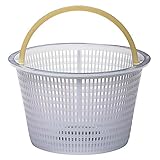
Keeps leaves and debris from starving the pump, filter, and UV chamber for water.
View on Amazon
A clean cartridge helps protect flow through UV equipment and clears cloudy water faster.
View on Amazon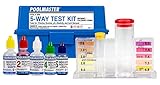
UV helps supplemental sanitation, but chlorine, pH, and alkalinity still need testing.
View on AmazonFAQ
Is a little air under the pool pump lid normal?
A small bubble can appear after startup, but a growing air pocket, constant churning, or bubbles returning to the pool usually means air is entering the suction side.
Why does my pool pump lose prime overnight?
Common causes include a leaking pump lid o-ring, loose drain plugs, suction-side valve leaks, low water level, or plumbing that lets water drain back when the pump shuts off.
Can air in the pump cause cloudy pool water?
Yes. Air leaks reduce circulation and filtration. Poor flow can make chemistry less effective and leave fine debris suspended in the water.
Should I use lubricant on the pump lid o-ring?
Use pool-safe silicone lubricant if the pump manufacturer recommends it. Do not use petroleum grease because it can damage rubber seals.
Can a dirty filter cause air in the pump?
A dirty filter usually raises pressure on the pressure side. Air in the pump is more often a suction-side issue, though clogged baskets or restricted suction can make leaks more noticeable.
Disclosure: This post contains Amazon affiliate links. As an Amazon Associate, UV Pool Filter may earn from qualifying purchases.