UV Pool Check Valve Inspection: Stop Backflow Before Air Reaches the Chamber
| August 11, 2026

Disclosure: As an Amazon Associate, UV Pool Filter may earn from qualifying purchases.
A pool check valve is easy to ignore until the pump shuts off and water drains backward through the plumbing. For a UV pool system, that backflow can pull air toward the chamber, disturb prime, and make the next startup rougher than it needs to be.
This quick inspection is about keeping water moving in one direction. When the valve flapper, spring, lid gasket, or union seal starts sticking, the UV chamber may still power on, but circulation can get noisy, bubbly, or inconsistent.
Why check valves matter near UV equipment
UV systems depend on steady flow. A check valve helps prevent water from sliding backward when the pump turns off, especially around raised equipment pads, solar loops, heaters, chlorinators, or plumbing runs that drain easily.
If backflow introduces air, the pump may need longer to prime. That delay can reduce filter turnover, make return jets sputter, and leave the UV chamber with uneven flow during startup.
Signs the valve needs attention
- Air bubbles appear from the returns after every pump restart.
- The pump basket loses water when the system is off.
- The valve lid looks cloudy, cracked, or wet around the gasket.
- You hear water rush backward after the timer shuts the pump down.
- UV flow or pressure warnings appear after overnight shutdowns.
Simple inspection routine
Turn the pump off, relieve pressure, and look through the clear valve lid if your model has one. The flapper should close cleanly without debris wedged against the seal. Leaves, pebbles, broken cleaner parts, and bits of gasket material can keep it from seating.
If the lid is serviceable, remove it carefully, rinse the flapper area, inspect the O-ring, and use pool-safe silicone lubricant if the gasket is dry. Do not force brittle plastic parts. A cracked lid or warped flapper should be replaced instead of patched.
Restart and verify flow
After reassembly, restart the pump and watch the basket, pressure gauge, and returns for several minutes. The goal is a stable prime, a normal clean-filter pressure range, and returns that stop sputtering quickly.
Once circulation is steady, test the water. Use the Pool Chemical Calculator, the Pool Chemical Calculator iPhone app, or the Pool Chemical Calculator Android app before dosing chlorine, pH, alkalinity, or calcium adjustments.

Shop Amazon Pools for pool check valves, O-rings, silicone lubricant, replacement lids, and routine maintenance supplies.
Recommended pool maintenance supplies
As an Amazon Associate, UV Pool Filter earns from qualifying purchases.
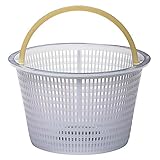
Keeps leaves and debris from starving the pump, filter, and UV chamber for water.
View on Amazon
A clean cartridge helps protect flow through UV equipment and clears cloudy water faster.
View on Amazon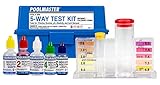
UV helps supplemental sanitation, but chlorine, pH, and alkalinity still need testing.
View on AmazonFAQ
Can a bad check valve hurt UV pool performance?
Yes. The UV unit needs reliable circulation. A leaking or stuck check valve can allow backflow and air pockets that make startup flow inconsistent.
Should a check valve hold water when the pump is off?
In most installations, yes. If the pump basket drains down or water rushes backward every shutdown, inspect the valve and nearby union seals.
Can I lubricate a pool check valve O-ring?
Use only pool-safe silicone lubricant on compatible O-rings. Avoid petroleum products because they can swell or damage rubber seals.