UV Pool Light Niche Gasket Inspection: Stop Slow Leaks Before Chemistry Drifts
| September 3, 2026
Disclosure: As an Amazon Associate, UV Pool Filter may earn from qualifying purchases through links that use the pooluv1-20 affiliate tag.
A pool light niche is easy to ignore because most of the hardware sits underwater and out of sight. But the gasket behind the fixture can dry out, flatten, twist, or collect scale. Once that seal starts letting water move where it should not, a UV pool can begin losing water slowly enough that the first clue is drifting chemistry instead of an obvious leak.
Check the light niche gasket when the water level drops faster than normal, after replacing a bulb or LED fixture, or any time stains, cloudy water, or sanitizer demand keep returning near the light. Confirm water balance with a real test kit, then use the Pool Chemical Calculator, iPhone app, or Android app to adjust chlorine, pH, alkalinity, calcium hardness, and stabilizer from measured results.
Light niche gasket warning signs
- The pool loses water even when splash-out and evaporation do not explain the drop.
- Air bubbles, debris streaks, or stains collect around the light niche.
- The fixture face ring looks uneven, loose, or crusted with scale.
- Water balance drifts after refills because small leaks force frequent top-offs.
- The gasket was reused after a fixture service instead of replaced.

Why the gasket matters in a UV pool
UV sanitation works best when circulation, sanitizer residual, and water balance stay predictable. A light niche leak pushes the pool in the opposite direction. Fresh fill water changes alkalinity, calcium, salt, metals, and stabilizer levels, then the owner ends up chasing numbers that will not hold.
A failing gasket can also hide dirt and biofilm behind the fixture face. UV light treats water that passes through the chamber, not stagnant pockets behind loose hardware. Keeping the niche sealed and clean removes one more place for debris to sit outside the normal circulation path.
How to inspect the light niche gasket
Turn off power to the pool light at the breaker before touching the fixture. If the light can be safely removed according to the manufacturer’s instructions, inspect the face ring, screw, cord seal area, and gasket surface. Look for cracks, flattened edges, scale buildup, swollen rubber, or signs that the gasket pinched during the last installation.
Replace suspect gaskets instead of trying to stretch extra life out of them. Clean the seating surfaces with a non-metallic pad, reinstall the fixture evenly, and watch the water level for several days. If the level still drops, use a dye test around the niche or call a pool professional before making more chemical corrections.
Recommended pool maintenance supplies
As an Amazon Associate, UV Pool Filter earns from qualifying purchases.
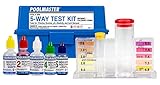
UV helps supplemental sanitation, but chlorine, pH, and alkalinity still need testing.
View on Amazon
UV does not replace a measurable sanitizer residual in the pool water.
View on Amazon
A clean cartridge helps protect flow through UV equipment and clears cloudy water faster.
View on AmazonFrequently Asked Questions
Can a pool light niche gasket cause chemistry problems?
Yes. A slow leak can force repeated refills, which changes pH, alkalinity, calcium, salt, metals, and stabilizer levels until the leak is fixed.
Should I reuse an old pool light gasket?
No. If the fixture has been opened, the gasket should usually be replaced so the seal compresses evenly when the light is reinstalled.
Does UV sanitation prevent problems behind a loose pool light?
No. UV systems treat circulated water in the chamber. They do not sanitize stagnant debris trapped behind a loose fixture face or failing gasket.