UV Pool Pump Union O-Ring Lubrication: Stop Drips Before Flow Drops
| September 20, 2026
Disclosure: As an Amazon Associate, UV Pool Filter may earn from qualifying purchases. Product links below can lead to Amazon search results using affiliate tag pooluv1-20.
A pump union O-ring is easy to ignore until the equipment pad starts dripping or the pump basket begins showing stubborn air bubbles. On a UV pool system, that small seal matters because the UV chamber only treats the water that moves through it. If a union near the pump pulls air or leaks under pressure, circulation can slow, filter pressure can wander, and sanitation can become less consistent.
This quick inspection is especially useful after cleaning the pump basket, opening plumbing for service, or restarting equipment after a storm. A dry, flattened, twisted, or dirty O-ring can look minor but still interrupt the steady flow a UV system needs.
Why union lubrication belongs on the pool-care checklist
Pool pump unions are designed to be opened without cutting plumbing, but the seal depends on a clean O-ring seated evenly inside the union. When the ring dries out, collects grit, or gets pinched during reassembly, the union may drip when the pump is off and pull air when the pump is running.
Use a pool-safe silicone lubricant sparingly. The goal is not to pack the fitting with grease; it is to help the O-ring seat smoothly and stay flexible. Avoid petroleum grease unless the equipment manufacturer specifically allows it, because the wrong product can swell rubber and make the next leak worse.
Five-minute pump union O-ring check
- Turn off the pump and close valves if needed to prevent water draining from the system.
- Loosen the union by hand and inspect the O-ring for flat spots, cracks, swelling, or missing sections.
- Wipe the O-ring groove and mating surfaces so grit cannot hold the seal open.
- Apply a thin film of pool-safe silicone lubricant to the O-ring.
- Reassemble the union hand-tight, restart the pump, and watch for drips, bubbles, or flow warnings.
If the union still leaks after cleaning and lubrication, replace the O-ring instead of overtightening the collar. Too much force can deform the fitting and create a more expensive repair.
Test chemistry after circulation returns to normal
Once the union is sealed and flow is stable, test the water before adding chemicals. Better circulation can reveal a different chlorine reading, pH trend, or salt level than you saw while the system was struggling. Use the Pool Chemical Calculator to calculate chlorine, pH, alkalinity, stabilizer, calcium hardness, and salt adjustments from fresh test results.
For quick dosing at the equipment pad, install the mobile app: Pool Chemical Calculator for iPhone or Pool Chemical Calculator for Android.
Shop pool pump union O-rings and silicone lubricant on Amazon.

Recommended pool maintenance supplies
As an Amazon Associate, UV Pool Filter earns from qualifying purchases.
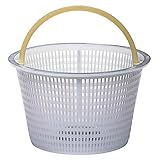
Keeps leaves and debris from starving the pump, filter, and UV chamber for water.
View on Amazon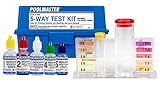
UV helps supplemental sanitation, but chlorine, pH, and alkalinity still need testing.
View on Amazon
A clean cartridge helps protect flow through UV equipment and clears cloudy water faster.
View on AmazonFAQ
Why do pump union O-rings matter on a UV pool system?
Pump union O-rings help keep the plumbing sealed so the pump can maintain steady flow through the filter and UV chamber.
What lubricant should I use on a pool union O-ring?
Use a pool-safe silicone lubricant. Petroleum grease can swell or damage many rubber seals.
Can a small union drip lower UV performance?
Yes. A leak or air draw near the pump can reduce circulation, and UV sanitation depends on consistent water movement through the chamber.
Do I still need chlorine with a UV pool filter?
Yes. UV is supplemental sanitation. Keep a measurable sanitizer residual and dose chemicals from fresh test results.