UV Pool Sacrificial Anode Inspection: Catch Corrosion Before Metal Stains Spread
| August 24, 2026
Disclosure: As an Amazon Associate, UV Pool Filter may earn from qualifying purchases. The pool care links below may also point you toward our Pool Chemical Calculator resources.
Corrosion rarely announces itself with one dramatic failure. It usually starts as a rusty screw head, a faint stain near a ladder cup, a heater part that looks rough, or a light niche that never seems clean. A sacrificial anode is a small piece of protection that can help take the hit before more expensive pool metals do.
This catch-up checklist focuses on inspecting the anode and the nearby bonding or plumbing connection before corrosion turns into stains, leaks, or equipment damage.
Why Anode Checks Matter Around UV Pool Equipment
UV sanitation helps with water clarity and supplemental disinfection, but it does not erase the need for balanced water. If pH, alkalinity, salt, calcium hardness, or dissolved metals drift out of range, corrosion risk can rise around heaters, rails, ladders, lights, and metal fittings. A sacrificial anode adds a layer of defense by giving corrosive conditions a less costly target.
- Metal rails or ladder cups show orange or gray staining.
- Heater connections look crusty, pitted, or discolored.
- The anode is more than halfway consumed.
- Scale covers the anode so water cannot contact the metal properly.
- Bonding wire or plumbing contact looks loose or corroded.
Simple Inspection Routine
Turn the equipment off before opening anything near the plumbing pad. Find the anode location, then look for metal loss, scale buildup, loose fittings, and signs that water is bypassing the part instead of contacting it. If the anode is installed in a basket, inline chamber, or bonding lug, confirm it is still secure and not isolated by corrosion or debris.
If the anode is mostly consumed, replace it. That is not failure; that is the part doing its job. If staining keeps returning even with a fresh anode, test the water and investigate pH, alkalinity, calcium hardness, salt level, copper, and iron before adding random stain products.
Balance the Water Before Blaming the Hardware
An anode works best as part of a balanced pool, not as a substitute for one. After inspection, test your water and use the Pool Chemical Calculator, the Pool Chemical Calculator iOS app, or the Pool Chemical Calculator Android app to dose carefully from current readings.

Monthly Corrosion Prevention Habit
Once a month, inspect metal fixtures, heater fittings, light niches, and the sacrificial anode during the same walkaround. Catching a loose connection or consumed anode early is cheaper than polishing stains off plaster or replacing damaged equipment later.
Recommended pool maintenance supplies
As an Amazon Associate, UV Pool Filter earns from qualifying purchases.
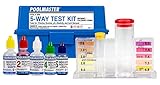
UV helps supplemental sanitation, but chlorine, pH, and alkalinity still need testing.
View on Amazon
Keeps leaves and debris from starving the pump, filter, and UV chamber for water.
View on Amazon
A clean cartridge helps protect flow through UV equipment and clears cloudy water faster.
View on AmazonFAQ
What does a sacrificial anode do for pool equipment?
A sacrificial anode gives corrosive water a more reactive metal to attack first, which can help protect heaters, ladders, rails, light niches, and other metal parts.
Do UV pool systems require a sacrificial anode?
Not every UV pool requires one, but pools with salt systems, heaters, metal fixtures, or recurring stain concerns often benefit from including an anode in the corrosion-prevention plan.
When should I replace a pool sacrificial anode?
Inspect it regularly and replace it when it is heavily eaten away, loose, coated with scale, or no longer making good contact with the bonding or plumbing setup.