UV Pool Vacuum Gauge Checks: Find Suction Restrictions Before Flow Falls
| August 17, 2026

Disclosure: As an Amazon Associate, UV Pool Filter may earn from qualifying purchases.
A vacuum gauge on the suction side of the pool system can catch restrictions before they turn into cloudy water, weak returns, or a UV unit that is not getting the steady flow it needs. Pressure gauges show what happens after the pump. A vacuum gauge helps show what the pump is fighting before water reaches the filter and UV chamber.
The check is quick: compare normal suction readings against the reading you see when baskets, valves, cleaner hoses, or suction plumbing start loading up. When the number changes suddenly, the system is telling you where to look before flow falls too far.
Why suction readings matter for UV pools
UV systems work best with clean, predictable water movement. A clogged skimmer basket, blocked cleaner line, stuck valve, or collapsed hose can starve the pump and reduce turnover through the UV chamber. A vacuum gauge gives you an early warning before the filter pressure gauge tells only half the story.
Simple vacuum gauge routine
- Record the normal clean-system vacuum reading after baskets are empty and the filter is clean.
- Check the gauge again when the cleaner is running, after heavy leaf drop, and before a UV flow alarm appears.
- Compare skimmer-only, main-drain-only, and cleaner-line readings if your valves allow safe isolation.
- Look for climbing vacuum readings that point to suction restrictions before the pump.
- Investigate low or unstable readings when air leaks, loose lids, or bad O-rings may be letting the pump pull air.
What changing readings can mean
Higher-than-normal vacuum usually points to a blockage between the pool and pump: clogged baskets, stuck weirs, plugged cleaner hoses, suction-side valve problems, or debris near a drain cover. Lower or bouncing vacuum can point to air entering through the pump lid, unions, drain plugs, or suction fittings. Either condition can hurt the steady flow a UV pool filter system depends on.
What to do before adjusting chemicals
Fix circulation clues first. Empty baskets, rinse cleaner hoses, check valve positions, inspect the pump lid seal, and confirm the filter pressure returns to its normal clean range. Once the equipment pad is moving water properly again, retest the pool so chemical changes match the real condition of the water.
Use the Pool Chemical Calculator, the Pool Chemical Calculator iPhone app, or the Pool Chemical Calculator Android app to calculate chlorine, pH, alkalinity, calcium, and stabilizer adjustments.

Shop Amazon Pools for pool vacuum gauge suction cleaner hose UV pool filter supplies.
Recommended pool maintenance supplies
As an Amazon Associate, UV Pool Filter earns from qualifying purchases.

A clean cartridge helps protect flow through UV equipment and clears cloudy water faster.
View on Amazon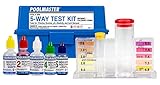
UV helps supplemental sanitation, but chlorine, pH, and alkalinity still need testing.
View on Amazon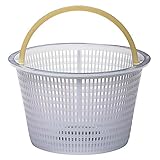
Keeps leaves and debris from starving the pump, filter, and UV chamber for water.
View on AmazonFAQ
Where should a pool vacuum gauge be checked?
Most pool owners check suction at the pump or a dedicated suction-side fitting. The important part is comparing readings from the same location each time.
Does a high vacuum reading always mean the filter is dirty?
No. High suction vacuum usually points to a restriction before the pump, while dirty filters usually show up as higher pressure after the pump.
Can suction problems affect UV sanitizer performance?
Yes. If suction restrictions reduce flow through the equipment pad, less water may pass through the UV chamber during the normal circulation window.