Pool Care After Heavy Rain: What to Test, Clean, and Adjust First
| May 30, 2026
A heavy rain can make a clear pool look tired fast. Water level jumps, leaves wash in, pH shifts, chlorine gets diluted, and the filter suddenly has to catch everything the storm knocked loose. If you wait two days to check it, the pool can slide from “fine” to cloudy or green.
The right after-rain routine is simple: remove debris, restore circulation, test before adding chemicals, and give the filter enough time to clean up. Do that in the right order and most storm problems stay small.
Start by checking the water level
Rain can push the pool above the normal operating level. When the water is too high, the skimmer may not skim well because surface debris floats past the opening instead of being pulled in. If the water is above the skimmer’s sweet spot, lower it carefully to around the middle of the skimmer opening.
If your equipment pad has a waste line or multiport valve, follow the filter manufacturer’s instructions. Do not drain blindly if you have high groundwater, a vinyl liner, or an overflow setup you do not fully understand. Too much draining can create bigger problems than the rain did.
Remove leaves and debris first
Before running the pump hard, skim leaves, twigs, mulch, and floating debris. Empty skimmer baskets and the pump basket. Storm debris can clog baskets quickly and starve the pump for water.
If a lot of dirt settled on the floor, use a leaf rake or vacuum slowly. Rushing the vacuum stirs fine sediment into the water and makes the filter work longer.
Check pump flow and filter pressure
After baskets are clean, run the pump and confirm strong return flow. Check the filter pressure against your clean starting pressure. Storms often load the filter with pollen, dust, organic debris, and dead algae fragments.
If pressure is 20 to 25 percent above clean pressure, backwash or clean the filter. If pressure is low and flow is weak, look for clogged baskets, a suction restriction, low water after draining, or air under the pump lid.
Brush steps, corners, and low-flow areas
Rain pushes organics into the pool and can stir up early algae films. Brush walls, steps, benches, ladders, corners, and the waterline. Brushing gets debris into circulation so chlorine and filtration can handle it.
This matters even when the pool looks mostly clear. The trouble often starts on surfaces before the whole pool turns cloudy.
Test after rain before adding chemicals
Rain can shift chlorine, pH, alkalinity, and stabilizer readings. Pool Chemical Calculator helps estimate chlorine, shock, pH, alkalinity, stabilizer, salt, calcium, and other adjustments from actual post-storm test results.
Use Pool Chemical Calculator online, download it for iPhone/iPad, or install the Android app.
Test chlorine and pH before shocking
Do not automatically dump shock in after every rain. Test first. Check free chlorine, pH, and alkalinity at minimum. If the storm was heavy or the pool overflowed, check stabilizer and salt too.
High pH can make chlorine less effective. Low chlorine after a storm may simply need a normal dose, while a pool full of leaves and cloudy water may need a stronger cleanup. The test results and water condition should drive the decision.
If you need test strips, a drop kit, shock, skimmer socks, or filter cleaner for storm cleanup, this after-rain pool cleanup supplies search on Amazon is a practical comparison starting point.
When should you shock after rain?
Shock is useful when the pool has visible cloudiness, heavy organic debris, combined chlorine, algae signs, or very low free chlorine after the storm. It may not be necessary after a light rain if the pool stayed clean and chlorine is still in range.
If you do shock, brush the pool and run the pump longer. The filter needs time to catch what the chlorine oxidizes. Clean or backwash the filter as pressure rises.

Watch stabilizer after overflow
Rain itself does not destroy cyanuric acid, but overflow and draining can lower CYA because water physically leaves the pool. If a storm causes significant overflow or you drain several inches, retest stabilizer before assuming your old number still applies.
Low CYA can let sunlight burn through chlorine quickly after the storm passes. High CYA can make normal chlorine levels less effective. Either way, stabilizer affects what chlorine level actually works.
Salt pools need an extra check
Heavy rain and overflow can lower salt levels. Salt chlorine generators may reduce output or show a warning if salt drops too far. Use an independent salt test before adding salt, because control-box readings can lag or be affected by cell condition.
After a storm, a salt pool may also need a temporary chlorine boost. The salt cell is designed to maintain a clean pool, not instantly recover from a big organic load.
Where UV systems fit after rain
A UV system can support sanitation as water passes through the chamber, but it does not remove leaves, mud, pollen, or low sanitizer residual. After rain, flow still matters. If baskets are clogged or the filter is dirty, less water moves through the UV unit.
Check pump runtime, filter pressure, and visible flow before assuming the UV system has failed. Most after-rain problems are debris, dilution, chemistry, and circulation problems first.
A practical after-rain pool checklist
- Check and correct water level.
- Skim leaves and remove large debris.
- Empty skimmer and pump baskets.
- Run the pump and confirm strong flow.
- Check filter pressure and clean or backwash if needed.
- Brush walls, steps, corners, and ladders.
- Test free chlorine, pH, alkalinity, and stabilizer if water overflowed.
- Add chemicals based on test results, not habit.
- Run the pump longer until water clarity returns.
Rain does not have to wreck the pool. The faster you remove debris, restore flow, and test honestly, the less likely you are to need a full algae cleanup later.
Recommended pool maintenance supplies
As an Amazon Associate, UV Pool Filter earns from qualifying purchases.
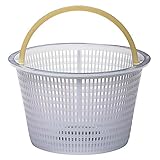
Keeps leaves and debris from starving the pump, filter, and UV chamber for water.
View on Amazon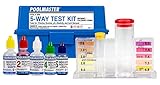
UV helps supplemental sanitation, but chlorine, pH, and alkalinity still need testing.
View on Amazon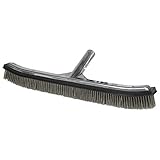
Brushing breaks up algae films and dead spots so sanitation and filtration work better.
View on AmazonFAQ
Should I shock my pool after every rain?
No. Test first. Shock is more useful after heavy rain, debris, cloudiness, algae signs, combined chlorine, or very low free chlorine.
Why is my pool cloudy after rain?
Common causes include diluted chlorine, organic debris, dirty filters, pH changes, pollen, runoff, and poor circulation after baskets or filters clog.
Does rain lower pool stabilizer?
Rain alone does not destroy stabilizer, but overflow or draining removes pool water and can lower CYA. Retest after major water loss.
How long should I run the pump after heavy rain?
Run it longer than normal, often 12 to 24 hours depending on debris and clarity. Watch filter pressure and clean or backwash as needed.
Does a UV pool system handle rain cleanup?
UV can support sanitation, but it does not remove debris, fix low chlorine, or clean a dirty filter. Flow, filtration, brushing, and testing still matter.
Disclosure: This post contains Amazon affiliate links. As an Amazon Associate, UV Pool Filter may earn from qualifying purchases.