UV Pool Control Box Shade and Splash Check: Keep Electronics Dry and Visible
| October 9, 2026
Disclosure: This article contains affiliate links. As an Amazon Associate, UV Pool Filter may earn from qualifying purchases.
A UV pool control box shade and splash check is not glamorous, but it can prevent a lot of strange sanitizer problems. The UV chamber gets the attention because water passes through it. The control box is easier to ignore, even though it handles the lamp power, indicators, ballast electronics, and fault signals that tell you whether the system is doing its job.
Walk past the equipment pad after rain, irrigation, filter cleaning, or a windy week and look at the controller area before you open anything. You are checking the surroundings, not diagnosing live wiring. The goal is simple: keep direct spray, standing water, blocked vents, loose conduit, and harsh sun from turning a normal UV controller into a mystery fault later.
Shop pool UV controller weather covers, maintenance labels, towels, gloves, and pool equipment supplies on Amazon. Match any replacement part, cover, conduit fitting, lamp, quartz sleeve, gasket, or controller item to the exact UV system model before ordering.
Why the control box deserves a quick look
Pool UV equipment lives in a rough place. Sun heats the wall, sprinklers hit at odd angles, pump lids get rinsed, unions drip, and wet hands touch nearby plumbing. Even when the UV chamber is installed correctly, the controller can be stressed by moisture, heat, blocked air space, or movement in the wiring path.
The Pentair BioShield UV installation and user’s guide treats electrical installation, power isolation, bonding, lamp handling, and qualified-service steps as controlled procedures. The CMP DEL AOP 25/40 instruction manual gives similar warning-level attention to electrical service, reactor access, covers, o-rings, and startup checks. Those manuals are a good reminder that the controller is not just a plastic box near the plumbing. It is part of an electrical sanitation system, and model-specific instructions matter.
A shade and splash check does not replace the manual or a service visit. It gives you an early warning that the area around the controller has changed. That is useful after landscaping work, a pump swap, a storm, or any repair that moved pipes and wires around the pad.
Check shade without trapping heat
Direct afternoon sun can bake an equipment wall. Shade can help, but sloppy shade can make things worse if it blocks airflow, presses against the controller, or traps wet leaves above the enclosure. Look for a clean, solid cover or natural shade that keeps the harshest sun off the box while leaving the controller visible and accessible.
Do not tape plastic bags over the box, wrap it in a towel, lean a storage bin against it, or build a sealed cover around it. The controller still needs the clearance, access, drainage, and cooling conditions required by the equipment manual. If the manual gives a specific mounting location, clearance, enclosure rating, or service-access rule, follow that over any general backyard advice.
Look for splash patterns and drip trails
Stand back and look for the boring clues: mineral spots under a conduit entry, wet soil below the controller, a sprinkler head aimed at the wall, a filter drain that sprays toward the box, or a slow union drip that runs along a cable. A controller can look dry at 8 a.m. and still get soaked every time irrigation runs.
If you find water marks, do not open the control box to investigate. Turn off equipment only as the manual directs, keep people away from wet electrical components, and bring in a qualified pool equipment technician or electrician if water may have reached wiring, a ballast, a GFCI-protected circuit, a bonding connection, or the controller interior.
Keep vents and indicators visible
Some controllers have vents, indicator windows, warning lights, labels, or reset areas that need to stay visible. Bushes, pool floats, storage bins, salt bags, and chemical buckets can hide those clues. When the indicator is buried behind clutter, a lamp warning can sit unnoticed until the pool is already struggling.
Move storage away from the controller and keep chemical containers out of the equipment area. Pool chemicals should not be stored where fumes, spills, or corrosive dust can attack electrical boxes, metal brackets, conduit fittings, bonding lugs, or UV hardware. Leave manufacturer labels, serial numbers, warning stickers, and model plates uncovered so parts lookup and service calls do not turn into guesswork.
Tie the check to water clarity and chemistry
A dry, shaded controller does not prove the UV lamp is strong, the quartz sleeve is clean, or the flow path is correct. It only removes one avoidable source of trouble. If the pool is getting cloudy or sanitizer demand jumps, check the full routine: filter condition, pump operation, valve position, lamp status, sleeve condition, sanitizer level, pH, stabilizer, and bather load.
For dosing decisions, use the Pool Chemical Calculator instead of guessing. It is also available for iPhone and Android. UV can support a pool care routine, but it does not remove the need to maintain the sanitizer level required by your pool type, chemical labels, and local rules.
Related checks fit naturally with this one: review UV control box warning lights, inspect GFCI power protection, and look for moisture around lamp and sleeve areas. Each check answers a different question, and none of them should require unsafe access to energized parts.

When to call a professional
Call a qualified pool equipment technician or electrician who works on pool equipment if the controller shows repeated lamp faults, the GFCI trips, wiring or conduit is loose, water reaches the controller, the enclosure is cracked, a cover is missing, the bonding system is suspect, or the manual limits the work to trained service. Do the same if moving shade, sprinklers, plumbing, or electrical components would require opening panels or changing wiring.
Safety note: This is pool-care information, not medical advice or electrical instruction. Follow the equipment manual, product labels, local codes, and professional-service restrictions. Maintain the sanitizer level required for your pool, and use qualified professionals for UV electrical diagnosis, controller repair, bonding work, leak repair near electrical components, pressure work, chemical cleaning, quartz sleeve removal, and any task the manufacturer limits to trained service.
Recommended pool maintenance supplies
As an Amazon Associate, UV Pool Filter earns from qualifying purchases.

A clean cartridge helps protect flow through UV equipment and clears cloudy water faster.
View on Amazon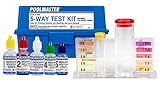
UV helps supplemental sanitation, but chlorine, pH, and alkalinity still need testing.
View on Amazon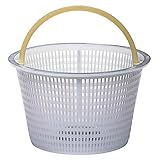
Keeps leaves and debris from starving the pump, filter, and UV chamber for water.
View on AmazonFAQ
Can I cover a UV pool control box to protect it from sun?
Only if the cover does not block access, trap heat, hold moisture, hide warning lights, or conflict with the equipment manual. A proper shade cover is different from wrapping the controller in plastic or blocking its vents.
Should I open the control box if I see water marks?
No. Water marks near electrical equipment are a stop-and-check clue, not an invitation to open the enclosure. Follow the shutdown instructions in the manual and call a qualified technician if water may have reached wiring or controller parts.
Do sprinklers matter if the UV controller is outdoor rated?
Yes. Outdoor equipment still has installation limits, seals, conduit entries, and service conditions. Repeated direct spray can expose weaknesses over time, so aim sprinklers away from the controller and follow the model-specific manual.
Will better shade improve UV sanitizing performance?
Shade by itself does not make the UV lamp stronger. It helps protect the controller environment. Sanitizing performance still depends on the correct lamp, clean sleeve, proper flow path, working power, water clarity, and normal pool chemistry.