Pool Filter Pressure: What the Gauge Is Telling You About Flow
| June 1, 2026
Your filter pressure gauge is not just a little dial on the equipment pad. It is one of the fastest ways to tell whether the pool has good flow, a dirty filter, a restriction, or a problem that is starting to hurt circulation.
The mistake is reading the gauge as one universal number. A pressure of 18 psi might be normal for one pool and a problem for another. The useful number is your own clean starting pressure, then how far the gauge moves away from it.
What filter pressure actually measures
The pressure gauge measures resistance after the pump as water pushes through the filter system. When the filter is clean, water moves through with less resistance. As the filter catches debris, pressure usually rises.
That is why pressure is a flow clue, not a water-quality score by itself. A clean-looking pool can still have high pressure if the filter is loaded with pollen or fine debris. A cloudy pool can show low pressure if the pump is starved for water before the filter.
Record your clean starting pressure
After you clean or backwash the filter, run the pump at the normal speed you use for filtration and write down the pressure. That is your clean baseline. If you have a variable-speed pump, record the pressure at the RPM or setting you actually use.
Do not compare your pressure to a neighbor’s pool. Plumbing length, pump size, filter type, valve positions, heater, UV unit, solar, and return fittings all affect the number.
When high pressure means clean the filter
A common rule is to clean or backwash when pressure rises about 20 to 25 percent above clean starting pressure. If your clean pressure is 12 psi, that means service is due around 15 psi. If your clean pressure is 20 psi, the trigger is closer to 24 or 25 psi.
High pressure usually means the filter is loaded, a return-side valve is partly closed, a return fitting is restricted, or something after the pump is making water harder to push through.
When low pressure is the problem
Low pressure often points to a suction-side issue. The pump may not be getting enough water. Common causes include a low water level, clogged skimmer basket, clogged pump basket, stuck skimmer weir, suction valve problem, air leak, or an impeller clogged with debris.
If pressure is lower than normal and return flow is weak, do not backwash just because the water looks cloudy. First check whether the pump is actually moving enough water.
Fix flow, then calculate chemical adjustments
Chemistry works better when water is circulating and filtering properly. Pool Chemical Calculator helps estimate chlorine, shock, pH, alkalinity, stabilizer, salt, calcium, and other adjustments from actual test results once flow is under control.
Use Pool Chemical Calculator online, download it for iPhone/iPad, or install the Android app.
Check pressure at the same pump speed
Variable-speed pumps make pressure readings easier to misread. A lower RPM naturally creates lower pressure. A higher RPM naturally creates higher pressure. If you compare today’s low-speed reading to last week’s high-speed reading, the conclusion will be useless.
Pick a standard speed for checking filter pressure. Many pool owners use their normal filtration speed. Others briefly run a set higher speed to check pressure consistently. The key is using the same setting every time.
If you need a replacement pressure gauge, filter cleaner, backwash hose, or cartridge cleaning tools, this pool filter pressure and cleaning supplies search on Amazon is a practical comparison starting point.
Do not trust a bad gauge
Pressure gauges fail. If the gauge does not return to zero when the pump is off, sticks in one position, fogs up, or jumps erratically, replace it. A bad gauge can make you clean the filter too often or miss a real flow problem.
Replacing a gauge is usually inexpensive, but turn the pump off and relieve filter pressure before removing it. If the filter tank is pressurized, do not loosen fittings.

Pressure after backwashing or cleaning
After backwashing a sand or DE filter, pressure should drop near the clean baseline. After rinsing a cartridge, pressure should also return close to normal. If it stays high, the filter may need deeper cleaning, the cartridges may be worn, or there may be a return-side restriction.
If pressure drops very low after cleaning and flow is still weak, look at suction-side problems instead. The filter cannot build normal pressure if the pump is not being fed properly.
How pressure affects UV and salt systems
UV sanitizers and salt chlorine generators both depend on flow. High filter pressure can reduce flow through the system. Low pressure from a suction problem can also reduce flow. Either way, water may not move through the UV chamber or across the salt cell as expected.
If a UV or salt pool starts acting strange, check filter pressure and actual return flow before blaming the lamp or cell. Flow problems often masquerade as sanitizer problems.
A simple pressure-gauge routine
- Record clean pressure after every filter cleaning or backwash.
- Check pressure at the same pump speed each time.
- Clean or backwash around 20 to 25 percent above clean pressure.
- Investigate low pressure when return flow is weak.
- Replace gauges that do not return to zero when the pump is off.
- Use pressure readings along with water clarity, flow, and chemistry—not alone.
Once you know your pool’s normal pressure, the gauge becomes a useful early warning system. It tells you when filtration is getting loaded, when flow is being restricted, and when circulation needs attention before the water turns cloudy.
Recommended pool maintenance supplies
As an Amazon Associate, UV Pool Filter earns from qualifying purchases.
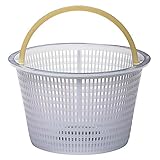
Keeps leaves and debris from starving the pump, filter, and UV chamber for water.
View on Amazon
A clean cartridge helps protect flow through UV equipment and clears cloudy water faster.
View on Amazon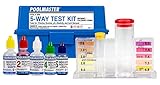
UV helps supplemental sanitation, but chlorine, pH, and alkalinity still need testing.
View on AmazonFAQ
What should my pool filter pressure be?
There is no universal perfect number. Your clean starting pressure after filter cleaning is the important baseline. Track changes from that number.
When should I clean or backwash the filter?
A common guideline is when pressure rises about 20 to 25 percent above clean starting pressure, or when return flow noticeably drops.
Why is my filter pressure low?
Low pressure can mean the pump is not getting enough water because of low pool water, clogged baskets, a stuck weir, suction restriction, air leak, or clogged impeller.
Should the pressure gauge read zero when the pump is off?
Yes. If it does not return to zero, the gauge may be stuck or damaged and should usually be replaced.
Can high filter pressure make the pool cloudy?
Yes. High pressure can reduce flow and filtration. Poor circulation can leave debris suspended and make sanitizer less effective throughout the pool.
Disclosure: This post contains Amazon affiliate links. As an Amazon Associate, UV Pool Filter may earn from qualifying purchases.